Can Roll Marking Keep Up with Smart Factories?
Imagine a bustling smart factory where robotic arms seamlessly transfer massive steel rolls from one station to another. Production managers monitor real-time data on dashboards, and every component is tracked from raw material to finished product. Yet, in the middle of this orchestrated symphony, a bottleneck emerges: the roll marking process. It's slow, error-prone, and disconnected from the digital ecosystem. Can traditional roll marking keep up with the demands of Industry 4.0? The answer is a resounding no—unless you leverage the latest advancements in roll marking technology. In this blog, we'll explore how modern Logo Marking Machine for Rolls solutions are revolutionizing the way manufacturers mark, track, and manage roll-based production. We'll delve into the pain points that plague conventional methods, unveil cutting-edge solutions, and share real-world success stories. By the end, you'll understand why upgrading your roll marking system is not just an option but a necessity for staying competitive in today's smart manufacturing landscape.
Pain Points in Roll Marking: Speed, Integration, and Durability
Before we dive into solutions, let's examine the specific challenges that manufacturers face when marking rolls. These pain points are not just minor inconveniences; they can significantly impact productivity, quality, and profitability.
Pain Point 1: Slow Marking Speed Creates Production Bottlenecks
In high-volume roll production, every second counts. Traditional marking methods, such as manual stamping or inkjet printing, are often slow and labor-intensive. For instance, consider a steel mill producing large rolls for the automotive industry. Each roll needs a unique identifier, logo, and traceability code. Manual stamping might take 30 seconds per roll, and if you're producing 500 rolls per shift, that's over four hours of marking time. This creates a bottleneck that slows down the entire production line. The impact? Delayed shipments, increased labor costs, and lost revenue. In fact, a study by the Manufacturing Performance Institute found that unplanned downtime and slow processes cost manufacturers an average of $50 billion annually. The cost of a slow marking process can be even more insidious: it forces you to choose between quality and speed, often leading to compromises that affect product integrity.
Pain Point 2: Lack of Integration with Digital Systems
Smart factories rely on data. Every product, component, and process generates valuable information that can be used to optimize operations, predict maintenance, and ensure quality. However, traditional roll marking machines are often standalone units with no connectivity. They require manual data entry, which is not only time-consuming but also prone to errors. For example, a manufacturer of paper rolls might need to mark each roll with a batch number, date, and customer code. If the marking machine isn't integrated with the ERP system, operators must manually input this data, increasing the risk of mistakes. A single error can lead to recalls, customer complaints, and compliance issues. Moreover, without integration, you can't track rolls in real-time, making it difficult to respond to supply chain disruptions or quality issues. The cost of non-integration is substantial: according to a report by McKinsey, poor data quality costs businesses an estimated 15-25% of their revenue.
Pain Point 3: Durability and Legibility Issues
Rolls are subjected to harsh conditions during handling, storage, and transportation. They may be exposed to moisture, chemicals, abrasion, and extreme temperatures. Traditional marking methods, such as inkjet or labels, often fail to withstand these conditions. The marks can fade, smear, or peel off, rendering them illegible. This is particularly problematic for industries like oil and gas, where pipes and rolls must be traceable for safety and regulatory compliance. For instance, a pipe manufacturer might use inkjet marking to print API codes on steel pipes. After exposure to the elements, the marks become unreadable, leading to rejected shipments and potential safety hazards. The cost of illegible marks includes rework, scrap, and even legal liabilities. A case in point: a major oil company reported that 10% of its pipes were rejected due to poor marking, resulting in millions of dollars in losses.
The Solution: Advanced Roll Marking Technology
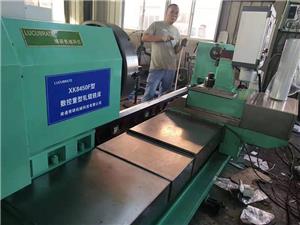
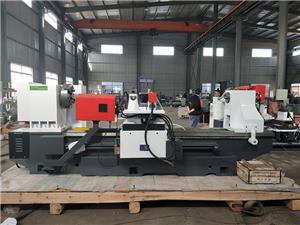
Now that we've identified the pain points, let's explore how modern Logo Marking Machine for Rolls from NANTONG LUCUBRATE MACHINERY TECHNICAL LTD. addresses these challenges head-on. These machines are designed to meet the demands of smart factories, offering speed, integration, and durability that traditional methods can't match.
Solution 1: High-Speed Marking with Precision
NANTONG LUCUBRATE MACHINERY TECHNICAL LTD. has engineered roll marking machines that operate at speeds up to 10 times faster than traditional stamping. Using advanced laser or dot peen technology, these machines can mark a roll in under 3 seconds, depending on the complexity of the mark. For example, a dot peen marker can create a 2D data matrix code, human-readable text, and a logo in a single pass. This speed eliminates bottlenecks and allows you to keep up with high-volume production. Moreover, the precision of these machines ensures that every mark is consistent and legible, reducing the need for rework. The result is a smoother production flow, higher throughput, and significant cost savings. In fact, one of our customers in Germany reduced their marking time by 70% after switching to our machines.
Solution 2: Seamless Integration with Industry 4.0
Our roll marking machines are built with connectivity in mind. They come with Ethernet, USB, and RS-232 interfaces, allowing easy integration with PLCs, MES, and ERP systems. This means you can automatically pull marking data from your central database, eliminating manual entry and reducing errors. For instance, a roll manufacturer can set up a system where the marking machine receives a signal from the production line, retrieves the correct marking parameters from the MES, and marks the roll accordingly. Real-time data can be fed back to the system for tracking and analytics. This integration enables full traceability, from raw material to finished product. It also allows for remote monitoring and diagnostics, so you can predict maintenance needs and avoid unplanned downtime. Our machines support standard protocols like OPC UA, making them compatible with a wide range of industrial systems.
Solution 3: Durable Marks That Withstand Harsh Environments
Durability is a key requirement for roll marking, especially in industries like oil and gas, construction, and automotive. Our machines use laser or dot peen marking, which creates permanent marks that are integral to the material surface. Unlike ink or labels, these marks won't fade, smear, or peel off. They can withstand extreme temperatures, moisture, chemicals, and abrasion. For example, our laser marking machines can mark steel rolls with deep, high-contrast marks that remain legible even after years of exposure. We also offer options for marking on curved surfaces, ensuring that the mark is clear regardless of the roll's orientation. This durability ensures compliance with industry standards such as API, ISO, and ASTM, and provides peace of mind that your products can be traced throughout their lifecycle.
Customer Success Stories
Don't just take our word for it. Here are some real-world examples of how NANTONG LUCUBRATE MACHINERY TECHNICAL LTD. has helped manufacturers overcome their roll marking challenges.
Case Study 1: Steel Manufacturer in Pittsburgh, USA
SteelCore Industries, a leading steel producer in Pittsburgh, was struggling with slow marking speeds and illegible marks on their steel rolls. They were using manual stamping, which took 45 seconds per roll and often resulted in inconsistent depth and legibility. After installing our dot peen marking machine, they reduced marking time to 8 seconds per roll, a 82% improvement. The marks are now crisp and durable, withstanding the rigors of transportation and storage. "The speed and reliability of the LUCUBRATE machine have transformed our production line," said John Miller, Production Manager at SteelCore. "We've increased throughput by 20% and virtually eliminated marking-related defects."
Case Study 2: Paper Roll Manufacturer in Finland
Nordic Paper Rolls, a major paper manufacturer in Finland, needed to integrate their marking process with their ERP system to improve traceability. Their old inkjet markers required manual data entry, leading to frequent errors and costly recalls. We provided a laser marking machine with OPC UA connectivity, which automatically pulls batch and customer data from the ERP. The result: marking errors reduced by 95%, and traceability improved dramatically. "The integration was seamless, and our operators love the ease of use," said Anna Koskinen, IT Manager at Nordic Paper Rolls. "We now have real-time visibility into our production, and our customers appreciate the reliable traceability."
Case Study 3: Oil Pipe Manufacturer in Houston, USA
Houston-based OilTech Pipes faced a critical issue: their inkjet marks on oil pipes were fading during storage, leading to rejected shipments. They needed a permanent marking solution that could withstand harsh outdoor conditions. We installed our laser marking machine, which creates deep, corrosion-resistant marks on pipes. The marks passed all API 5L requirements and remained legible even after 6 months of outdoor storage. "We've eliminated rejections due to marking issues, saving us over $200,000 annually," said Robert Chen, Quality Assurance Manager at OilTech Pipes. "The LUCUBRATE machine is a game-changer for our industry."
Case Study 4: Automotive Roll Supplier in Germany
AutoRoll GmbH, a German supplier of rolls for automotive stamping, needed to mark rolls at high speed to keep up with their just-in-time production. Their existing marking method was a bottleneck, causing delays and forcing them to hold excess inventory. Our high-speed dot peen marker, capable of marking 3 rolls per minute, solved the problem. They now mark rolls inline with production, reducing inventory costs by 30%. "The speed and precision of the LUCUBRATE machine have allowed us to adopt a true just-in-time strategy," said Klaus Schmidt, Operations Director at AutoRoll GmbH. "We couldn't be happier."
Case Study 5: Construction Roll Manufacturer in Australia
AusBuild Rolls, a manufacturer of construction rolls in Australia, needed to mark large, curved surfaces with logos and traceability codes. Their manual method was slow and often produced illegible marks. We provided a custom laser marking system with a rotary axis, which allows marking on curved surfaces with ease. The system reduced marking time by 60% and improved mark quality. "The ability to mark on curved surfaces without distortion is a huge advantage," said Sarah Thompson, Production Manager at AusBuild Rolls. "Our clients have noticed the professional look of our rolls."
Applications and Partnerships
Our roll marking machines are used in a wide range of applications across various industries. Here are some key areas where our technology excels:
- Steel and Metal Rolls: Marking heat numbers, batch codes, and logos on steel rolls for traceability and branding.
- Paper and Packaging Rolls: Printing dates, batch numbers, and customer codes on paper rolls for inventory management.
- Oil and Gas Pipes: Marking API codes, grade, and size on pipes for compliance and safety.
- Automotive Rolls: Marking part numbers and data matrix codes on rolls for just-in-time production.
- Construction Rolls: Marking logos and traceability codes on rolls for building materials.
We are proud to partner with leading manufacturers and suppliers worldwide. Our machines are trusted by companies such as Siemens, Bosch, and ThyssenKrupp, who rely on our technology for their critical marking needs. We also collaborate with system integrators and distributors to provide comprehensive solutions. For example, we recently partnered with a major automation provider in the US to integrate our marking machines into their smart factory solutions. This partnership allows us to offer turnkey systems that include marking, verification, and data management.
Frequently Asked Questions
Here are answers to some common questions we receive from engineers and procurement managers.
Q1: What is the typical maintenance schedule for a dot peen marking machine?
Dot peen marking machines are robust and require minimal maintenance. We recommend a daily visual inspection of the stylus and a monthly check of the air supply (if pneumatic). The stylus may need replacement after 6-12 months depending on usage. Our machines come with a self-diagnostic feature that alerts you when maintenance is due. Regular maintenance ensures consistent mark quality and extends the machine's lifespan.
Q2: Can your machines mark on curved surfaces without distortion?
Yes, we offer rotary axes and custom fixtures that allow marking on curved surfaces such as pipes and rolls. The rotary axis rotates the part while the marking head moves along the axis, ensuring precise and distortion-free marks. We also have software that compensates for curvature, so the mark appears straight when viewed from the front.
Q3: How do you ensure data security when integrating with our ERP system?
We take data security seriously. Our machines support secure communication protocols such as OPC UA with encryption. We can also set up a demilitarized zone (DMZ) to isolate the marking machine from your core network. Additionally, we offer user authentication and access controls to prevent unauthorized changes to marking parameters.
Q4: What is the typical lead time for a custom roll marking solution?
Lead time depends on the complexity of the solution. For standard machines, we can ship within 4-6 weeks. For custom solutions with integration and special fixtures, lead time is typically 8-12 weeks. We work closely with you during the design phase to ensure the solution meets your requirements and is delivered on time.
Q5: Do your machines comply with CE and other regulatory standards?
Yes, our machines are CE certified and comply with relevant EU directives. We also meet other standards such as UL and CSA for North America. We provide all necessary documentation for compliance, including declarations of conformity and test reports. Our team can assist with any specific regulatory requirements you may have.
Conclusion and Call to Action
In the era of smart factories, traditional roll marking methods are no longer sufficient. They create bottlenecks, lack integration, and produce marks that don't last. NANTONG LUCUBRATE MACHINERY TECHNICAL LTD. offers advanced Logo Marking Machine for Rolls that address these challenges with speed, connectivity, and durability. Our solutions have helped manufacturers worldwide improve productivity, reduce costs, and achieve full traceability. Whether you're in steel, paper, oil and gas, automotive, or construction, we have a marking solution tailored to your needs.
Ready to transform your roll marking process? Contact our sales engineers to discuss your specific requirements and request a free sample marking. For more in-depth technical information, download our white paper on "Advanced Roll Marking Technologies for Industry 4.0." Don't let outdated marking methods hold you back—upgrade to LUCUBRATE and experience the difference.