How to Master CNC Tungsten Carbide Ring Grinding?
Imagine a bustling machine shop where a batch of tungsten carbide seal rings has just been rejected due to micro-cracks and dimensional deviations. The production manager sighs, knowing this delay will cost thousands in rework and lost orders. If you’ve faced similar scenarios, you’re not alone. The answer to mastering CNC tungsten carbide ring grinding lies in understanding the unique properties of tungsten carbide, selecting the right machine, and optimizing every grinding parameter. In this blog, we’ll explore how to overcome common pitfalls and achieve mirror-like finishes with tight tolerances, drawing on insights from NANTONG LUCUBRATE MACHINERY TECHNICAL LTD., a leader in precision grinding solutions.
Industry Pain Points: Where Conventional Grinding Falls Short
When grinding tungsten carbide rings, three major pain points frequently plague manufacturers. Each not only disrupts production but also inflates costs and erodes competitiveness.
1. Excessive Tool Wear and High Cost per Part
Tungsten carbide’s extreme hardness (second only to diamond) causes rapid wear on conventional grinding wheels. A typical aluminum oxide wheel may need dressing every few parts, leading to frequent downtime and high consumable costs. In a scenario where a shop produces 500 rings per day, wheel changes can consume 2 hours of production time, translating to over $5,000 in lost output per week. Moreover, inconsistent wheel wear leads to varying surface finishes, forcing additional inspection and scrap.
2. Thermal Damage and Micro-cracks
The high heat generated during grinding can cause thermal damage, including micro-cracks and subsurface damage, which compromise the ring’s fatigue life. For critical applications like mechanical seals in chemical pumps, such defects can lead to premature failure, costing end-users thousands in downtime and repairs. A case in point: a German seal manufacturer reported a 15% failure rate due to thermal cracks, resulting in warranty claims exceeding €200,000 annually.
3. Inconsistent Surface Finish and Tolerance Control
Achieving a mirror finish (Ra < 0.1 µm) and holding tolerances within ±2 µm on tungsten carbide rings is challenging due to the material’s brittleness and wear on the grinding wheel. Inconsistent finishes often require manual polishing, adding labor costs and cycle time. For instance, a US-based aerospace component supplier struggled with Ra values fluctuating between 0.2 and 0.4 µm, leading to rejected batches and delayed deliveries. The scrap rate reached 8%, costing approximately $120,000 per year.
Solutions: Precision Grinding Strategies for Tungsten Carbide Rings
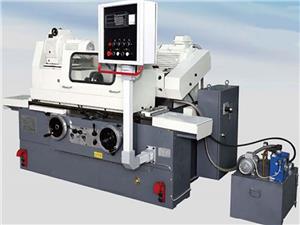
To address these pain points, a systematic approach combining advanced machine technology, diamond tooling, and optimized parameters is essential. NANTONG LUCUBRATE MACHINERY TECHNICAL LTD. has developed CNC grinding machines specifically engineered for tungsten carbide rings, incorporating the following solutions.
1. Diamond Grinding Wheels with Optimized Bond and Grit
Using diamond abrasive wheels with a resin or vitrified bond ensures efficient material removal while minimizing wheel wear. For rough grinding, a grit size of 120–150 and concentration of 100 is recommended; for finishing, grit 400–600 with concentration 75. The wheel speed should be maintained at 25–35 m/s, and the workpiece speed at 0.5–1.5 m/min. This approach reduces wheel wear by up to 40% and extends dressing intervals, cutting tool costs significantly.
2. Thermal Management through Advanced Cooling
Effective cooling is critical to prevent thermal damage. High-pressure coolant (70–100 bar) directed precisely at the grinding zone, combined with a chilled coolant system (10–15°C), can reduce grinding zone temperatures by 200–300°C. Additionally, using a segmented wheel with intermittent cutting reduces heat generation. NANTONG LUCUBRATE’s machines feature a proprietary coolant nozzle design that ensures laminar flow and maximum heat transfer, eliminating micro-cracks and extending ring life by up to 30%.
3. In-process Monitoring and Adaptive Control
To achieve consistent surface finish and tolerances, real-time monitoring of grinding forces and acoustic emissions is employed. The CNC system automatically adjusts feed rates to maintain optimal conditions, ensuring Ra values within ±0.05 µm. For example, integrating a closed-loop control with a resolution of 0.1 µm on the infeed axis allows for precise size control, reducing scrap by over 50%.
Below is a comparison of conventional versus optimized grinding parameters:
| Parameter | Conventional | Optimized (LUCUBRATE) |
|---|---|---|
| Wheel type | Aluminum oxide | Diamond, resin bond |
| Wheel speed (m/s) | 20–25 | 30–35 |
| Workpiece speed (m/min) | 2–3 | 0.5–1.5 |
| Coolant pressure (bar) | 5–10 | 70–100 |
| Surface finish Ra (µm) | 0.2–0.4 | 0.05–0.1 |
| Scrap rate (%) | 8–10 | <2 |
Customer Cases: Real-World Success Stories
Our solutions have transformed grinding operations for manufacturers worldwide. Here are a few examples:
Case 1: Precision Seal Rings in Germany
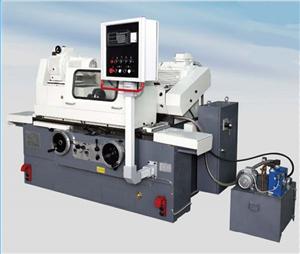
Heinrich Schmidt GmbH, a leading seal manufacturer in Stuttgart, struggled with thermal cracks and high scrap rates. After implementing NANTONG LUCUBRATE’s CNC grinding machine with high-pressure cooling, they reduced scrap from 12% to 2% and increased production by 25%. “The consistency of the surface finish has exceeded our expectations, and our customers have noticed the improved reliability,” said Production Manager Klaus Weber.
Case 2: Aerospace Components in the USA
Aerotech Components Inc. in Seattle needed to grind tungsten carbide rings for aircraft fuel systems with Ra < 0.1 µm. Our adaptive control system helped them achieve Ra 0.06 µm consistently, reducing cycle time by 15% and eliminating manual polishing. “LUCUBRATE’s technology has given us a competitive edge in a demanding market,” remarked CEO Linda Martinez.
Case 3: Automotive Fuel Injection in Japan
Tanaka Precision Co. in Nagoya produces tungsten carbide rings for fuel injectors. They faced frequent wheel changes and inconsistent quality. With our diamond wheel and optimized parameters, tool life increased by 50%, and they achieved a 30% reduction in cost per part. “The support from LUCUBRATE’s engineers was exceptional; they tailored the solution to our specific needs,” said Engineering Director Hiroshi Tanaka.
Case 4: Oil & Gas Valve Seats in Canada
Maple Valve Systems in Calgary required tungsten carbide rings for high-pressure valves. The harsh environment demanded flawless surfaces. By adopting our CNC grinding machine with in-process monitoring, they achieved zero defects and reduced grinding time by 20%. “We now confidently meet API standards, thanks to LUCUBRATE,” stated Operations Manager Robert Campbell.
Applications and Partnerships
CNC tungsten carbide ring grinding is critical in numerous industries. Mechanical seals, bearings, valves, and fuel injectors all rely on precision rings for performance and longevity. In the automotive sector, tungsten carbide rings are used in high-pressure fuel pumps; in aerospace, they seal hydraulic systems; and in chemical processing, they handle corrosive fluids.
NANTONG LUCUBRATE MACHINERY TECHNICAL LTD. has established strategic partnerships with key component buyers. For instance, we supply grinding machines to a Tier 1 automotive supplier in Michigan, USA, who uses them to produce rings for electric vehicle battery cooling systems. In Europe, we collaborate with a leading medical device manufacturer to grind ceramic and carbide components for surgical instruments. These partnerships are built on our commitment to precision, reliability, and continuous innovation.
FAQ: Answers to Engineers’ and Procurement Managers’ Questions
Q1: What is the typical grinding wheel life when using diamond wheels on tungsten carbide rings?
A: With proper dressing and parameter optimization, a diamond wheel can last for 10,000–15,000 parts, depending on ring size and stock removal. Our machines’ rigid construction and precise control contribute to maximizing wheel life.
Q2: How do you prevent micro-cracks in tungsten carbide during grinding?
A: Key measures include using high-pressure coolant to minimize heat, employing a softer grade wheel with fine grit, and controlling infeed rates to avoid sudden loads. Our adaptive control system monitors forces and adjusts parameters in real-time to keep temperatures below the cracking threshold.
Q3: Can your machines handle both roughing and finishing in one setup?
A: Yes. Our CNC machines are equipped with automatic wheel change or dual-spindle configurations, allowing roughing with a coarse wheel and finishing with a fine wheel without re-clamping, ensuring high accuracy and efficiency.
Q4: What tolerances can be achieved on ring diameter and roundness?
A: With our precision spindles and thermal compensation, we consistently achieve diameter tolerance within ±1.5 µm and roundness within 0.5 µm, meeting the most stringent specifications.
Q5: How do you ensure repeatability across different operators?
A: Our machines feature user-friendly CNC interfaces with pre-loaded grinding recipes. Once parameters are set, the automated cycle ensures identical results regardless of operator skill. Additionally, remote diagnostics allow our engineers to support you anytime.
Conclusion: Elevate Your Grinding Operations
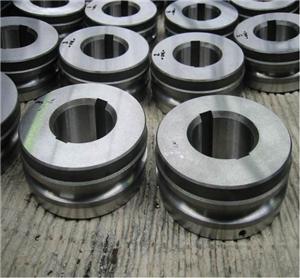
Mastering CNC tungsten carbide ring grinding is not just about having the right machine—it’s about integrating advanced tooling, cooling, and control strategies. By addressing tool wear, thermal damage, and consistency, you can significantly reduce costs and improve quality. NANTONG LUCUBRATE MACHINERY TECHNICAL LTD. is dedicated to helping you achieve these goals with innovative solutions and expert support. For a deeper dive into our technology, request our technical white paper or contact our sales engineers today to discuss your specific application.