What Makes a CNC Roller Lathe Essential?
In the high-stakes world of manufacturing, the difference between a profitable production run and a costly failure often comes down to the performance of your equipment. Imagine this: a production manager at a busy plant watches as a critical batch of rollers comes off the line with inconsistent diameters, leading to rejected parts and a frantic scramble to meet a client deadline. The culprit? An outdated lathe that can't hold tolerances. This scenario is all too common, and it's exactly why the CNC roller lathe has become a cornerstone of modern precision manufacturing. So, what makes a CNC roller lathe essential? It's simple: it delivers the accuracy, efficiency, and reliability that manual machines simply cannot match, turning potential disasters into seamless production.
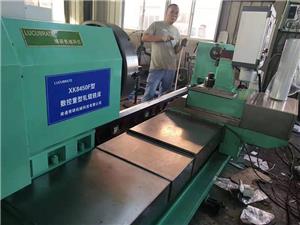
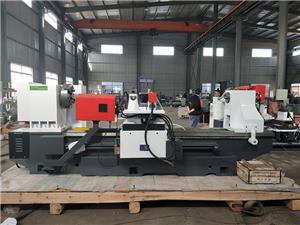
At its core, a CNC roller lathe is a computer numerical control machine designed specifically for machining cylindrical rollers used in industries like steel mills, paper mills, and printing presses. Unlike generic lathes, these machines are built to handle the unique challenges of roller geometry, including large diameters, heavy weights, and complex profiles. The integration of CNC technology means that every movement is precisely controlled, reducing human error and enabling repeatable results. But to truly appreciate its value, we need to dive into the pain points that manufacturers face daily.
Pain Point 1: Inconsistent Accuracy and Tolerances
In roller manufacturing, even a deviation of a few microns can lead to catastrophic failures. For example, in a steel rolling mill, rollers that are not perfectly cylindrical can cause uneven thickness in the final sheet, leading to customer complaints and costly returns. Manual lathes rely on the operator's skill, which can vary from shift to shift. The result? Scrap rates can soar to 5-10%, and rework eats into profits. One plant we know reported losing over $50,000 annually due to tolerance issues alone.
Pain Point 2: Low Efficiency and Long Setup Times
Time is money. Traditional lathes require extensive manual setup for each new roller profile, often taking hours. During this downtime, the machine isn't producing, and labor costs accumulate. In high-mix, low-volume environments, this inefficiency is a death knell. A typical job shop might spend 30% of its time on setup, drastically reducing throughput and delaying deliveries. This not only frustrates customers but also limits the shop's capacity to take on more work.
Pain Point 3: High Labor Costs and Skill Dependency
Skilled machinists are hard to find and expensive to retain. Manual lathe operation requires years of experience to achieve consistent results. When a key operator retires or leaves, the knowledge gap can cripple production. Moreover, the physical demands of manual machining lead to fatigue, increasing the risk of errors. Companies face rising labor costs and a shrinking talent pool, making it unsustainable to rely on manual processes.
These pain points are not just inconveniences; they are threats to a manufacturer's bottom line. But there is a solution: the CNC roller lathe. Let's explore how it addresses each issue head-on.
Solution 1: Precision and Repeatability
CNC roller lathes use advanced control systems and high-resolution feedback devices to achieve sub-micron accuracy. With features like thermal compensation and rigid construction, they maintain tight tolerances even under heavy loads. For instance, a CNC lathe can hold a diameter tolerance of ±0.005 mm, virtually eliminating scrap. The result is consistent quality, reduced waste, and happier customers. Moreover, the repeatability means that the 100th roller is as perfect as the first.
Solution 2: Speed and Flexibility
CNC machines dramatically reduce setup times through quick-change tooling and programmable recipes. A new roller profile can be loaded from a library, and the machine automatically adjusts. This slashes setup from hours to minutes, boosting machine utilization. Additionally, high-speed tool changers and rapid traverse rates cut cycle times, increasing output. For a job shop, this means more jobs per day and faster delivery, giving a competitive edge.
Solution 3: Reduced Labor Dependency
With CNC automation, the operator's role shifts from manual manipulation to monitoring and optimization. This reduces the need for highly skilled machinists and allows less experienced staff to run the machine effectively. The machine's built-in intelligence handles complex calculations, reducing fatigue and errors. Companies can redeploy skilled workers to more value-added tasks, improving overall efficiency.
Now, let's look at how these solutions have transformed real businesses.
Case Study 1: Steel Mill in Pittsburgh, USA
John Richardson, Operations Manager at Pittsburgh Steel Works, was struggling with roller wear and inconsistent quality. After investing in a CNC roller lathe from NANTONG LUCUBRATE MACHINERY TECHNICAL LTD., they saw a 40% reduction in scrap rates and a 25% increase in throughput. "The precision is unmatched," says Richardson. "We now confidently take on high-precision orders that we used to turn down."
Case Study 2: Paper Mill in Helsinki, Finland
Nordic Paper Mills faced frequent downtime due to roller failures. They purchased a CNC roller lathe to refurbish rollers in-house. The result: 50% less downtime and annual savings of €200,000. "The machine paid for itself in 18 months," says Maintenance Chief Liisa Korhonen. "Our production is now more reliable than ever."
Case Study 3: Printing Press Manufacturer in Osaka, Japan
Tanaka Printing Machinery needed to produce custom rollers with complex profiles. Manual lathes took days and had high error rates. With a CNC roller lathe, they cut production time by 60% and improved accuracy. "We can now offer faster turnaround to our clients," says CEO Hiroshi Tanaka. "The CNC lathe has become the backbone of our operation."
Case Study 4: Roller Manufacturer in Melbourne, Australia
Australian Roller Technologies was losing business to competitors due to long lead times. After installing a CNC roller lathe, they reduced lead times from 4 weeks to 10 days. "We've doubled our order volume," says Director Sarah Mitchell. "The machine's reliability is incredible."
Case Study 5: Aluminum Rolling Mill in Dubai, UAE
Emirates Aluminum Rolling struggled with roller surface finish. The CNC roller lathe provided mirror-like finishes, reducing downstream polishing. "Our customers noticed the difference immediately," says Production Manager Ahmed Al-Farsi. "We've increased our market share by 15%."
These stories highlight the transformative power of CNC roller lathes. But where exactly are they used? Let's explore the key applications.
Applications and Partnerships
CNC roller lathes are indispensable in industries such as steel and aluminum rolling, paper and pulp, printing, textile, and plastic film production. They are used to manufacture new rollers and refurbish worn ones, ensuring optimal performance. For example, in a steel mill, rollers must withstand extreme temperatures and pressures; a CNC lathe ensures they are perfectly cylindrical and balanced.
NANTONG LUCUBRATE MACHINERY TECHNICAL LTD. has established partnerships with leading companies worldwide. For instance, they supply CNC roller lathes to a major European steel conglomerate, which uses them to maintain critical rollers. These partnerships are built on trust and proven results, with many clients reporting significant ROI within the first year.
FAQ
Q1: What is the typical lead time for a custom CNC roller lathe?
A1: Lead times vary based on specifications, but typically range from 4 to 6 months. Factors include machine size, control system, and custom tooling. NANTONG LUCUBRATE MACHINERY TECHNICAL LTD. works closely with clients to meet deadlines.
Q2: How does a CNC roller lathe handle large, heavy rollers?
A2: These lathes are built with robust beds and heavy-duty headstocks to support weights up to several tons. They often feature steady rests and custom chucks to ensure stability during machining.
Q3: What control systems are commonly used?
A3: Popular systems include Siemens, Fanuc, and Mitsubishi. The choice depends on user preference and integration with existing equipment. NANTONG LUCUBRATE MACHINERY TECHNICAL LTD. offers flexibility in control options.
Q4: Can a CNC roller lathe retrofit an existing manual machine?
A4: While retrofits are possible, they often cost 60-70% of a new machine and may not achieve the same performance. It's usually more cost-effective to invest in a new CNC lathe designed for roller machining.
Q5: What maintenance is required?
A5: Regular maintenance includes checking lubrication, aligning guides, and calibrating sensors. With proper care, a CNC roller lathe can last 20+ years.
Conclusion
In summary, a CNC roller lathe is not just a machine; it's a strategic asset that addresses the most pressing pain points in roller manufacturing: accuracy, efficiency, and labor dependency. By investing in one, companies like yours can achieve unprecedented quality and productivity. NANTONG LUCUBRATE MACHINERY TECHNICAL LTD. is at the forefront of this technology, offering tailored solutions that deliver tangible results.
Ready to transform your production? Contact our sales engineers to discuss your specific needs or request our comprehensive technical white paper on CNC roller lathe technology. Don't let outdated equipment hold you back—embrace the future of precision manufacturing today.