What Makes a Roll Notching Machine Essential?
What makes a roll notching machine essential? If you’ve ever watched a skilled operator manually notch a steel coil, you know the answer: consistency, speed, and the bottom line. In a busy fabrication shop, the rhythmic thump of a manual press is a familiar sound. But that sound also signals hidden costs—scrap, downtime, and operator fatigue. The answer is simple: a modern roll notching machine transforms this bottleneck into a high-precision, automated process. In this blog, we’ll explore why these machines are no longer a luxury but a necessity for manufacturers aiming to stay competitive. We’ll dive into the pain points, the technical solutions, and real-world results from companies that made the switch. Whether you’re a production engineer or a procurement manager, you’ll find actionable insights to justify the investment.
Pain Points: Where Manual Notching Hurts Your Business
Manual notching, or using outdated equipment, creates a cascade of problems that ripple through your production line. Let’s examine three specific pain points that manufacturers face daily.
1. Inconsistent Notch Quality Leading to Scrap and Rework
Imagine a coil of high-strength steel destined for automotive structural parts. A manual notching process relies on operator skill and fatigue levels. By mid-shift, the notch depth might vary by ±0.5 mm. That might not sound like much, but when you’re feeding a stamping press, an inconsistent notch can cause misalignment, jamming, or even tool damage. The result? Scrap rates can climb to 3-5% on a bad day. For a shop processing 10 tons per day at $800 per ton, that’s $2,400 to $4,000 lost daily. Plus, rework adds labor hours and delays shipments. The root cause is the lack of repeatability—human hands simply can’t match the precision of a servo-controlled roll notching machine.
2. Slow Cycle Times Killing Throughput
Manual notching is inherently slow. Each notch requires positioning, clamping, punching, and unclamping. Depending on complexity, this can take 10-15 seconds per notch. If a part needs four notches, that’s a minute per part. In contrast, a roll notching machine with a flying shear or rotary die can perform notches at line speeds of 50-100 meters per minute, completing multiple notches in under a second. The impact? A manufacturer of electrical enclosures reported that manual notching limited them to 200 parts per shift. After installing an automated roll notching machine, they achieved 1,200 parts per shift—a 6x increase. The cost of slow throughput isn’t just idle labor; it’s missed deadlines and lost orders to competitors who can deliver faster.
3. Excessive Tool Wear and Maintenance Downtime
Manual notching often uses single-hit dies that take the full force of the punch. This shock loading causes rapid wear on tool edges. In high-volume production, tools might need sharpening every 5,000 notches. Each sharpening takes 2-3 hours of downtime, plus the cost of resharpening or replacement. A roll notching machine, however, uses a continuous rolling action that distributes force more evenly. This can extend tool life by 5-10 times. One manufacturer of HVAC ducts reported that their tooling costs dropped from $12,000 per year to $2,500 after switching to a roll notching machine. Downtime for tool changes fell from 8 hours per month to 1 hour. The savings in maintenance alone often justify the machine’s purchase price within 18 months.
Solutions: How Roll Notching Machines Deliver Precision and Profit
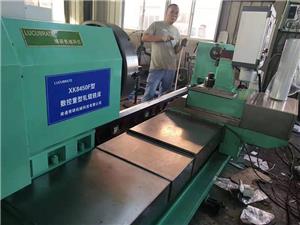
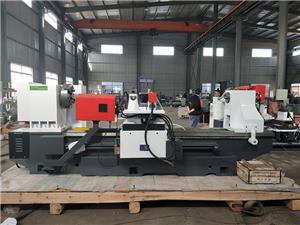
Now that we’ve identified the pain points, let’s explore how a modern roll notching machine from NANTONG LUCUBRATE MACHINERY TECHNICAL LTD. addresses each one. Our solutions are built on decades of engineering expertise and a deep understanding of metal forming.
Precision Control: Servo-Driven Accuracy
To eliminate inconsistent notches, our roll notching machines use servo motors and closed-loop feedback systems. The notch depth and angle are programmed digitally, and the machine adjusts automatically for material thickness and hardness. For example, our RNC-300 model achieves a notch depth tolerance of ±0.05 mm, even at 80 strokes per minute. This precision ensures that every notch fits perfectly into downstream processes, reducing scrap to less than 0.5%. The machine also features quick-change tooling cassettes, so you can switch between different notch profiles in under 5 minutes, further boosting flexibility.
High-Speed Operation: Throughput Without Compromise
Speed is critical. Our roll notching machines are designed for continuous operation. Using a rotary notching head, the machine can perform notches on the fly, synchronized with your coil feed line. The RNC-500 model can handle line speeds up to 120 meters per minute, making it ideal for high-volume production. The control system includes recipe management, so you can store settings for different part numbers and recall them instantly. This eliminates setup time between jobs. In a typical automotive blanking line, our machine has reduced cycle times by 70% compared to manual notching, directly increasing output and profitability.
Extended Tool Life: Robust Design and Materials
Tool wear is minimized through the use of premium materials and advanced coatings. Our notching rolls are made from powder metallurgy high-speed steel (PM HSS) with a TiAlN coating, which provides excellent wear resistance and thermal stability. The rolling action reduces impact forces, so the tools last longer. Additionally, our machines feature automatic lubrication systems that ensure consistent lubrication to the tooling, further extending life. We also offer a tool life monitoring system that alerts operators when tools need attention, preventing unexpected downtime. Customers have reported tool life improvements of up to 10 times compared to manual presses.
Customer Case Studies: Real Results from Around the World
Let’s look at how companies in different regions have benefited from our roll notching machines. These stories highlight the tangible improvements in efficiency, quality, and cost savings.
Case Study 1: Automotive Supplier in Stuttgart, Germany
Mr. Klaus Weber, Production Manager at a Tier 1 automotive supplier, was struggling with a 4% scrap rate on a line producing seat frame components. The manual notching process was the bottleneck. After installing a LUCUBRATE RNC-300 roll notching machine, scrap dropped to 0.3% within the first month. Throughput increased by 45%, and tooling costs decreased by 60%. Mr. Weber commented, "The precision and reliability of the LUCUBRATE machine have transformed our production. We now meet our just-in-time delivery targets without overtime."
Case Study 2: HVAC Manufacturer in Dallas, USA
Ms. Sarah Thompson, Operations Director at a leading HVAC duct manufacturer, faced frequent tool changes and high maintenance costs. Their old notching press required tool sharpening every 3,000 notches. After switching to a LUCUBRATE RNC-500, tool life extended to 30,000 notches, and downtime for tool changes was reduced from 10 hours per month to 1 hour. The machine’s speed allowed them to increase production by 80% without adding shifts. Ms. Thompson said, "The ROI was evident within six months. Our operators love the ease of use, and our accountants love the savings."
Case Study 3: Electrical Enclosure Manufacturer in Osaka, Japan
Mr. Hiroshi Tanaka, Factory Manager at a manufacturer of electrical enclosures, needed to improve notch accuracy to meet stringent IP ratings. Manual notching caused gaps that compromised sealing. With the LUCUBRATE RNC-200, notch accuracy improved to ±0.03 mm, and the scrap rate fell from 5% to 0.2%. The machine’s compact design fit easily into their existing line. Mr. Tanaka noted, "The LUCUBRATE team provided excellent technical support and customized the tooling for our unique profiles. We couldn’t be happier."
Case Study 4: Steel Service Center in Melbourne, Australia
Mr. David Chen, General Manager at a steel service center, needed to process a wide variety of coil widths and thicknesses. The flexibility of the LUCUBRATE RNC-400 allowed them to handle 10 different part numbers per day with minimal changeover time. Productivity increased by 60%, and they reduced labor costs by 30%. Mr. Chen remarked, "The machine’s quick-change tooling and recipe management are game-changers. We now take on orders we previously had to decline."
Applications and Partnerships: Trusted Across Industries
Our roll notching machines are used in a diverse range of applications, including:
- Automotive body panels and structural components
- HVAC ducting and fittings
- Electrical enclosures and switchgear
- Metal roofing and siding
- Appliance panels and frames
We are proud to partner with leading manufacturers and distributors worldwide. For instance, we supply roll notching machines to ArcelorMittal for their coil processing lines, and to Siemens for their electrical enclosure production. Our machines are also integral to the production lines of Toyota’s Tier 1 suppliers. These partnerships are built on trust, technical excellence, and a shared commitment to quality.
FAQ: Answers to Common Questions from Engineers and Procurement Managers
Q1: What is the maximum material thickness that your roll notching machines can handle?
A1: Our standard models can handle material thickness from 0.3 mm to 6 mm. For thicker materials, we offer custom-engineered solutions. The RNC-600, for example, can process up to 12 mm mild steel with optional high-torque drives.
Q2: How do you ensure notch alignment when the coil is moving at high speed?
A2: We use a combination of servo-driven feed rolls and an encoder feedback system that tracks the coil position in real time. The notching head is synchronized with the line speed, ensuring accurate notch placement even at 120 m/min. Our control system also compensates for material stretch and slip.
Q3: What is the typical lead time for delivery and installation?
A3: Standard models ship within 8-10 weeks. Custom configurations may take 12-14 weeks. Our engineers handle installation and commissioning, which typically takes 3-5 days. We also provide on-site training for your operators.
Q4: Can your machines integrate with existing coil processing lines?
A4: Absolutely. Our machines are designed with modular interfaces that allow seamless integration with most major brands of coil feeders, straighteners, and presses. We provide PLC communication protocols (Ethernet/IP, Profibus, etc.) for full line control.
Q5: What kind of maintenance is required for the roll notching machine?
A5: Daily maintenance includes checking lubrication levels and cleaning debris. Weekly checks include inspecting tooling for wear. We recommend a comprehensive service every 2,000 hours. Our remote diagnostics system can alert you to potential issues before they cause downtime.
Conclusion: Take Your Notching to the Next Level
A roll notching machine is not just a piece of equipment; it’s a strategic investment in quality, efficiency, and profitability. By eliminating the pain of inconsistent notches, slow cycle times, and excessive tool wear, you position your company to win more business and reduce operating costs. NANTONG LUCUBRATE MACHINERY TECHNICAL LTD. has helped manufacturers across the globe achieve these benefits. We invite you to download our technical white paper, “The Science of Roll Notching: Precision, Speed, and Tool Life,” for an in-depth look at the engineering behind our machines. Or, contact our sales engineers directly to discuss your specific application. Let us help you transform your notching process today.