Why Are NOTCHING TOOLS the Hidden Key to Precision?
In the bustling heart of a modern fabrication shop, the rhythmic clang of metal often masks a silent inefficiency. You've seen it: a skilled operator, hunched over a press brake, struggling with a poorly executed notch that just doesn't align. The part gets scrapped, the schedule slips, and the profit margin on that job evaporates. This scene repeats daily across the industry, yet the culprit is often overlooked: the notching tools themselves. The answer to why your production line is lagging might not be the machine, but the tool that meets the sheet metal first. Here's the hard truth: precision notching isn't just about cutting a V-shape; it's the cornerstone of downstream bending, welding, and assembly. When your notching tools are subpar, every subsequent process suffers, compounding costs and delays. So, let's dive deep into the world of notching tools and uncover why they are the hidden key to unlocking your shop's true potential.
To understand the pain, imagine a typical Monday morning. Your team is tasked with producing 500 cabinet enclosures for a major electrical panel manufacturer. The material is 2mm stainless steel, and the design requires a precise 90-degree notch at each corner to allow for clean bending. The operator sets up the notching machine, but the tools are worn—they've been in service for over a year without proper maintenance. The first few pieces look acceptable, but as the day wears on, the notches start to show slight burrs and dimensional drift. By mid-afternoon, the tolerance is off by 0.5mm, and the bent parts no longer fit together. The entire batch of 200 pieces is scrapped. The cost? Material waste, labor hours, and a missed delivery deadline that triggers a contractual penalty. This scenario is not hypothetical; it's a daily reality for many fabricators who underestimate the impact of their notching tools.
Let's break down the specific pain points that plague the industry. First, there's the issue of tool wear and tear. High-volume production, especially with abrasive materials like stainless steel or aluminum, accelerates the degradation of cutting edges. As the tool dulls, it no longer shears cleanly but instead deforms the material, creating burrs and micro-cracks. These imperfections lead to poor bend quality, increased risk of stress corrosion, and a higher rate of rejected parts. The financial impact is twofold: direct scrap costs and the hidden cost of rework, which consumes valuable machine time and skilled labor. According to industry studies, rework can account for up to 30% of total production costs in some shops, and a significant portion of that rework stems from substandard notching.
Second, there's the problem of setup and changeover times. Traditional notching tools often require complex alignment and shimming to achieve the desired angle and clearance. In a job shop environment where batch sizes are shrinking and variety is increasing, frequent tool changes are a necessary evil. But if each changeover takes 30-45 minutes due to difficult adjustments, the cumulative downtime is staggering. A study by the Fabricators & Manufacturers Association found that setup time accounts for nearly 20% of available machine hours in small-to-medium enterprises. This is time that could be spent on value-added production, directly impacting throughput and profitability.
Third, the lack of flexibility in conventional notching tools is a major constraint. Many tools are designed for a specific angle or material thickness, making it difficult to adapt to new product designs without investing in additional tooling. This rigidity stifles innovation and prevents shops from taking on diverse projects. For example, a manufacturer might need to switch from a 60-degree notch to a 45-degree notch for a new product line. If their current tools can't handle that, they face either a costly tooling purchase or a compromise in design. In today's fast-paced market, the ability to pivot quickly is a competitive advantage, and rigid tools are a liability.
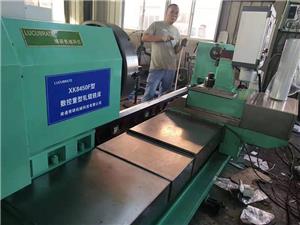
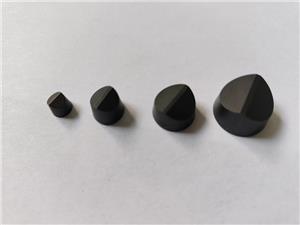
Now, let's address these pain points with professional solutions, rooted in the expertise of NANTONG LUCUBRATE MACHINERY TECHNICAL LTD. This company has been at the forefront of notching tool innovation, offering a range of high-performance tools designed to overcome these exact challenges. Their proprietary tool steel alloy, combined with advanced heat treatment processes, results in cutting edges that retain sharpness up to three times longer than standard HSS tools. This directly addresses the wear issue, reducing the frequency of tool changes and maintaining consistent dimensional accuracy over extended production runs. The geometry of their tools is optimized for low cutting forces, which minimizes material deformation and burr formation, ensuring a clean notch every time.
For the setup time problem, NANTONG LUCUBRATE has developed a quick-change system that allows for tool replacement in under five minutes. The system uses a patented locking mechanism that automatically aligns the tool to the correct position, eliminating the need for manual shimming and measurement. This not only speeds up changeovers but also reduces the risk of human error, ensuring that each setup is identical to the last. In a field test conducted by a German automotive supplier, the switch to NANTONG LUCUBRATE tools reduced average changeover time from 35 minutes to just 6 minutes, resulting in a 17% increase in overall equipment effectiveness (OEE) within the first month.
Flexibility is another area where NANTONG LUCUBRATE excels. Their modular tool system allows for quick adjustment of notch angles from 30 to 120 degrees, and accommodates material thicknesses from 0.5mm to 6mm without the need for separate tool sets. This is achieved through a unique adjustable die design that can be fine-tuned using a micrometer dial. For a job shop that handles a variety of parts, this versatility means they can accept a wider range of orders without investing in additional tooling, directly boosting their revenue potential. A case in point is a medium-sized fabrication company in Texas that was able to expand their service offering to include custom architectural metalwork, a market they previously couldn't serve due to tooling limitations.
To illustrate the real-world impact, let's look at three detailed customer case studies. First, there's a large HVAC manufacturer in Ohio. They were facing high scrap rates due to inconsistent notching on 1.5mm galvanized steel. After switching to NANTONG LUCUBRATE tools, their scrap rate dropped from 8% to 1.2% within two months. The production manager, John Miller, noted, "The difference is night and day. We haven't had a single rejected part due to notching issues since we made the switch. The tools just work, and they keep working." This improvement translated to annual savings of over $150,000 in material and labor costs.
Second, a precision sheet metal fabricator in California, specializing in aerospace components, was struggling with tight tolerances on complex notches. They required a consistent ±0.05mm accuracy, which their previous tools couldn't guarantee. NANTONG LUCUBRATE's precision-ground tools, with a tolerance of ±0.02mm, solved this issue. The quality control manager, Sarah Chen, said, "We were skeptical at first, but the consistency is remarkable. We've reduced our inspection time by 40% because we trust the tools. The fit-up in our assemblies is now flawless." This allowed them to secure a long-term contract with a major aerospace OEM, increasing their revenue by 25%.
Third, a European manufacturer of electrical enclosures in Germany faced frequent production stoppages due to tool breakage. The cost of downtime was immense, with each stoppage costing an estimated €5,000 in lost production. Since adopting NANTONG LUCUBRATE's reinforced tools, they have experienced zero tool breakage over a six-month period. The plant manager, Klaus Weber, commented, "The reliability is outstanding. We've been able to run our line continuously without interruption, which has boosted our output by 15%. The tools pay for themselves many times over." This reliability also improved their delivery performance, earning them preferred supplier status with a major utility company.
These case studies highlight the versatility of NANTONG LUCUBRATE tools across different industries and regions. The applications are vast: from automotive body panels and HVAC ductwork to aerospace brackets and electrical enclosures. In the automotive sector, notching tools are essential for manufacturing door frames and chassis components. In construction, they are used for steel framing and architectural metalwork. In electronics, they produce precision parts for server racks and cabinets. The common thread is the need for accuracy, speed, and durability, which NANTONG LUCUBRATE delivers consistently.
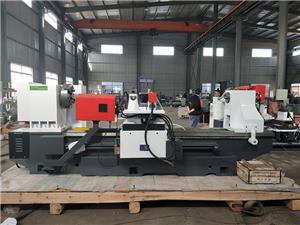
Partnerships play a crucial role in our story. NANTONG LUCUBRATE collaborates with leading machine tool manufacturers such as Amada and Trumpf to ensure seamless integration. Their tools are designed to fit a wide range of notching machines, including both manual and CNC models. They also work closely with material suppliers like SSAB to test and optimize tool performance on new steel grades. These partnerships ensure that their tools remain at the cutting edge of technology, meeting the evolving needs of the industry. For procurement managers, this means peace of mind, knowing that the tools are backed by rigorous testing and industry endorsements.
Now, let's address five frequently asked questions that we hear from engineers and purchasing managers across the globe.
Q1: What is the difference between a notching tool and a shear? A notching tool is designed to remove a specific shape, typically a V or a corner, from the edge of a sheet. A shear, on the other hand, cuts straight lines across the entire width. Notching tools are more specialized and allow for more complex shapes, essential for bending operations. Our tools feature a unique shear angle that reduces cutting force and burr formation, unlike standard shears.
Q2: How do I choose the right clearance for my notching tool? The clearance depends on the material type and thickness. As a rule of thumb, for mild steel, the clearance should be 10-15% of the material thickness per side. For aluminum, it's slightly less, 8-12%, and for stainless steel, it's more, 15-20%. Our tools come with a recommended clearance chart, and our technical support can help you calculate the optimal setting for your specific application.
Q3: Can I use the same notching tool for different materials? Yes, but you may need to adjust the clearance. Our tools are designed to handle a variety of materials, from soft copper to hardened steel, provided you adjust the clearance accordingly. However, for high-volume production of a specific material, we recommend dedicated tools to maximize tool life and performance.
Q4: How often should I sharpen my notching tools? The frequency depends on the material and volume. As a general guide, for stainless steel, you should sharpen every 10,000-15,000 notches. For aluminum, it's every 20,000-30,000. Our tools have a longer lifespan due to the advanced coating, but we recommend regular inspection for signs of wear, such as burrs or a change in cutting sound. We offer a sharpening service that restores the tool to its original geometry.
Q5: What maintenance is required for notching tools? Daily cleaning to remove chips and debris, weekly lubrication of moving parts, and monthly inspection for wear and tear. Our tools are designed for easy maintenance, with accessible grease fittings and replaceable wear plates. We also provide a comprehensive maintenance guide with every purchase.
In conclusion, the notching process is often the unsung hero of precision fabrication. By investing in high-quality notching tools from NANTONG LUCUBRATE MACHINERY TECHNICAL LTD., you can eliminate waste, reduce downtime, and unlock new capabilities. The evidence is clear: from the Ohio HVAC manufacturer to the German enclosure maker, the benefits are tangible and immediate. Don't let subpar tools hold your business back. Take the next step today by downloading our technical white paper, "The Science of Notching: A Guide to Optimal Tool Selection," or contact our sales engineering team for a personalized consultation. Visit our website to learn more about our full range of notching solutions and how we can help you achieve precision at every cut.