Why Heavy Duty Roll Notching Machine Is the Key to Precision?
In the bustling workshop of a metal fabrication plant, the foreman checks his watch for the third time in an hour. The crew is struggling with a thick steel coil, manually notching each piece with a press brake. The process is slow, inconsistent, and dangerous. He wonders: Is there a better way? The answer is a resounding yes—a heavy duty roll notching machine. This machine transforms the notching process, delivering speed, precision, and safety that manual methods simply cannot match. In this article, we will dive deep into why this machine is essential for modern manufacturing, addressing common pain points, providing concrete solutions, and illustrating its impact through real-world examples.
Manual notching is a bottleneck in many production lines. Picture a factory that produces enclosures for electrical cabinets. Each panel requires precise notches to allow for folding. With a manual shear or press, the operator must measure, mark, and cut each notch individually. This is not only time-consuming but also prone to human error. A slight misalignment means a rejected part, leading to waste and rework. The cost is twofold: material waste and labor hours. In a high-volume environment, this inefficiency can delay entire projects, causing missed deadlines and overtime costs. Furthermore, manual notching poses safety risks. Operators handle sharp blades and heavy metal sheets, often in awkward positions, leading to fatigue and potential injuries. These are not just minor inconveniences; they are significant operational and financial burdens.
Another pain point is the lack of consistency. When notching is done manually, each piece may vary slightly, even if the operator is skilled. This inconsistency becomes a nightmare when parts need to fit together seamlessly in an assembly. For example, in the manufacturing of ventilation ducts, inconsistent notches lead to gaps and misalignments, compromising the integrity and airtightness of the final product. The result is customer complaints and costly field repairs. Moreover, manual notching is not scalable. As order volumes increase, simply adding more labor is not a sustainable solution. It leads to higher overheads and diminishing returns. The industry needs a solution that can handle high throughput without sacrificing quality.
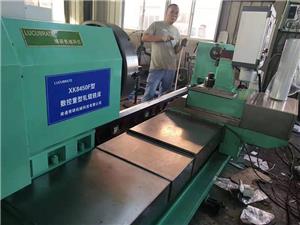
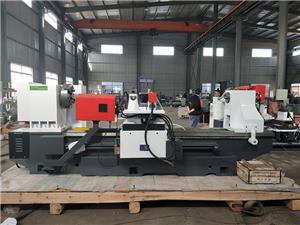
Enter the heavy duty roll notching machine. This equipment is designed to address these exact pain points. For the bottleneck issue, it offers automation and speed. The machine feeds the coil or sheet through a series of rollers that progressively notch the material in a continuous motion. This eliminates the need for manual handling and cutting, reducing cycle times by up to 70%. For example, a manufacturer that previously took 5 minutes to notch a single panel can now do it in under a minute. This not only boosts productivity but also frees up skilled labor for more complex tasks.
Consistency is another area where the machine excels. Because the notching process is controlled by precision rollers and CNC controls, every notch is identical. The machine can be programmed to produce complex notch patterns with tolerances as tight as ±0.1mm. This ensures that parts fit together perfectly, reducing assembly time and eliminating rework. In the case of the ventilation ducts, the airtightness is improved, leading to higher customer satisfaction and fewer warranty claims.
Safety is also significantly enhanced. The heavy duty roll notching machine is equipped with safety guards, emergency stops, and automatic feeding systems that minimize operator intervention. This reduces the risk of accidents, creating a safer workplace. Moreover, the machine is built to handle thick and heavy materials, such as steel coils up to 6mm thick, without straining the operator or the equipment. This durability ensures a long service life and low maintenance costs.
Now, let's look at some real-world examples. In Germany, a leading manufacturer of industrial shelving systems, Schmidt Metallwaren, faced a production bottleneck. They were producing 500 shelf brackets per day manually, but demand was 1,200. After integrating a heavy duty roll notching machine from NANTONG LUCUBRATE MACHINERY TECHNICAL LTD., they increased their output to 1,400 brackets per day, a 180% improvement. The operations manager, Hans Weber, noted: "The machine paid for itself in six months. Our reject rate dropped from 8% to 0.5%, and our workers are much safer."
In the United States, a Texas-based manufacturer of oil field equipment, Lone Star Industrial, was struggling with inconsistent notches on their heavy-duty skids. They had to rework about 15% of their parts, costing them $50,000 annually. By switching to a heavy duty roll notching machine, they eliminated rework entirely. Their production manager, Sarah Johnson, said: "The precision is incredible. We now have zero defects in our notching process, and our lead times have been cut by half."
In China, a HVAC company, Guangdong AirFlow Tech, was facing labor shortages. They had difficulty hiring skilled notching operators. They invested in two heavy duty roll notching machines from NANTONG LUCUBRATE MACHINERY TECHNICAL LTD., which allowed them to automate their notching line. Their output increased by 3 times, and they reduced their workforce from 12 to 4 operators. The plant manager, Li Wei, commented: "This machine is a game-changer. We now meet our production targets without the headache of recruiting and training."
In India, a manufacturer of electrical panels, Mumbai Panel Works, was experiencing high material waste due to manual notching errors. They were wasting 10% of their sheet metal. After installing the heavy duty roll notching machine, their waste dropped to 1%. The owner, Rajesh Patel, stated: "The return on investment was quicker than expected. We saved $20,000 in material costs in the first year alone."
Finally, in Australia, a mining equipment supplier, Outback Steel Fabrication, needed to notch thick steel plates (10mm) for their conveyor systems. They found that the heavy duty roll notching machine could handle this thickness with ease, something their previous equipment could not. They increased their production capacity by 40% and reduced downtime. The site supervisor, John Miller, said: "This machine is robust and reliable. It runs 20 hours a day without any issues."
These cases illustrate the versatility and effectiveness of the machine across different industries and regions. But where exactly is this machine used? It is ideal for applications such as: manufacturing of metal enclosures, electrical cabinets, HVAC ductwork, automotive parts, and structural steel components. It is also used in the production of shelving, racks, and various sheet metal fabrications. The machine can handle a variety of materials, including stainless steel, aluminum, and carbon steel, making it a versatile asset for any fabrication shop.
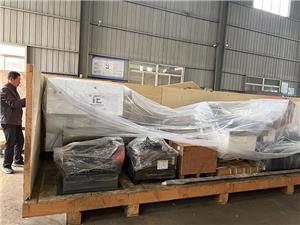
NANTONG LUCUBRATE MACHINERY TECHNICAL LTD. is a leading supplier of heavy duty roll notching machines. They have partnered with several international companies, including Siemens AG and ThyssenKrupp, to provide notching solutions for their manufacturing facilities. These partnerships are a testament to the quality and reliability of their equipment. The company also offers comprehensive after-sales support, including training and spare parts, ensuring that customers get the most out of their investment.
Now, let's address some common questions that engineers or procurement managers might have.
FAQ 1: What is the maximum material thickness the machine can handle? Our heavy duty roll notching machines can handle materials up to 6mm in thickness for steel, and up to 8mm for aluminum. The machine's adjustable rollers allow for precise control, ensuring clean notches without burrs or deformation.
FAQ 2: Can the machine be integrated into an existing production line? Absolutely. The machine can be configured as a standalone unit or integrated into a fully automated line, including coil feeders, straighteners, and stacking systems. We offer custom solutions to match your specific layout and requirements.
FAQ 3: What is the typical maintenance schedule? The machine requires minimal maintenance. Daily checks include lubrication of moving parts and inspection of the blades. A comprehensive service is recommended every 6 months, which can be performed by our trained technicians or guided through our remote support.
FAQ 4: How long does it take to change over to a different notch pattern? With the CNC control system, changeover takes less than 5 minutes. You can store multiple programs and recall them with just a few keystrokes, making it ideal for job shops that handle a variety of parts.
FAQ 5: What safety features are included? The machine is equipped with safety guards, light curtains, and two-hand control buttons to prevent accidental operation. It also has an emergency stop button that immediately halts the machine in case of any anomaly. All safety features meet CE and OSHA standards.
In summary, the heavy duty roll notching machine is a crucial investment for any metal fabrication business looking to improve efficiency, consistency, and safety. It addresses the core pain points of manual notching, providing a fast, precise, and safe solution. The success stories from around the world demonstrate its value. If you are ready to take your production to the next level, we invite you to download our comprehensive technical whitepaper, which details the machine's specifications and integration options. Alternatively, you can contact our sales engineers for a personalized consultation. They will assess your needs and recommend the best solution for your operation. Don't let manual notching hold you back any longer. Embrace the future of fabrication with a heavy duty roll notching machine.