Why Heavy Duty Roll Notching Machines Matter?
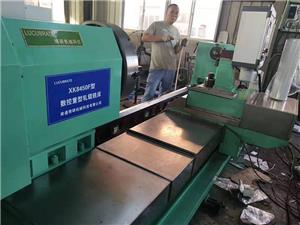
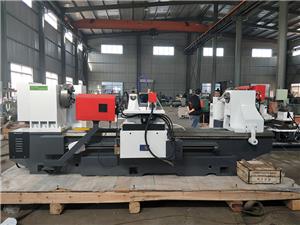
Imagine a stamping line running at full speed, only to be halted by a catastrophic tool failure. The culprit? A heavy duty roll notching machine that couldn't handle the load. In high-volume metal forming, the roll notching machine is the unsung hero—or the weakest link. So, why do heavy duty roll notching machines matter? They are the backbone of precision in coil processing, enabling accurate notching for subsequent stamping or roll forming. Without a robust machine, you risk downtime, scrap, and compromised product quality. In this blog, we'll explore the critical role of heavy duty roll notching machines, the pain points they solve, and how NANTONG LUCUBRATE MACHINERY TECHNICAL LTD. delivers solutions that keep production lines humming.
Pain Point 1: Excessive Vibration and Noise

In many workshops, operators dread the deafening roar and shaking floor when a notching machine engages. This vibration isn't just annoying; it accelerates tool wear, leads to poor notch quality, and can even damage the machine frame over time. The impact? Frequent tool replacements, increased maintenance costs, and potential safety hazards. For a typical stamping shop, downtime from vibration-related issues can cost thousands of dollars per month in lost productivity and repairs.
Pain Point 2: Inconsistent Notch Quality and Tool Wear
Notching is a precision operation. If the notch depth or angle varies, downstream operations like bending or welding suffer. Poor notch quality often stems from inadequate machine rigidity or outdated control systems. The result is high scrap rates and rework, eating into profits. Moreover, excessive tool wear means frequent and costly replacements. A frustrated production manager once told us, "We were replacing notching tools every two weeks—it was bleeding our budget."
Pain Point 3: Low Throughput and Changeover Delays
In today's competitive landscape, flexibility is key. But many heavy duty roll notching machines are slow to set up and lack quick-change features. Changing from one coil width or notch pattern to another can take hours, reducing overall equipment effectiveness (OEE). For a manufacturer running multiple product variants, this inefficiency translates to missed deadlines and lost orders.
Solution 1: Robust Structural Design and Vibration Damping
At NANTONG LUCUBRATE MACHINERY TECHNICAL LTD., we tackle vibration head-on with a heavily ribbed cast iron frame and advanced damping systems. Our heavy duty roll notching machines are engineered to absorb shock, ensuring smooth operation even at high speeds. By minimizing vibration, we extend tool life by up to 30% and create a safer, quieter workplace. The result is consistent notch quality and reduced maintenance.
Solution 2: Precision Control and Tooling Innovations
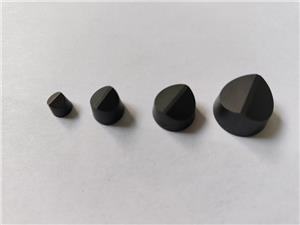
We integrate servo-driven control systems that maintain precise notch depth and angle, regardless of material thickness variations. Our proprietary tooling uses advanced coatings and geometries to resist wear, reducing tool changes by up to 50%. With real-time monitoring, operators can predict tool wear and schedule replacements during planned downtime, avoiding unplanned stoppages.
Solution 3: Quick-Change and Automation Features
To boost throughput, our machines feature quick-change tooling cassettes and motorized width adjustments. Changeover times can be reduced from hours to minutes, allowing manufacturers to respond swiftly to market demands. Additionally, our machines can be integrated with automated coil feeding and stacking systems, further enhancing productivity.
Customer Case 1: Precision Stamping Inc., USA
Based in Ohio, Precision Stamping Inc. struggled with frequent tool breakage on their old notching machine. After installing a LUCUBRATE heavy duty roll notching machine, they reported a 40% reduction in tool costs and a 25% increase in throughput. "The vibration reduction alone was a game-changer—our operators are happier and more productive," said plant manager John Smith.
Customer Case 2: MetalForm Solutions, Germany
This German automotive supplier needed to notch high-strength steel for EV battery trays. Their existing machine couldn't handle the material without excessive wear. LUCUBRATE customized a machine with reinforced tooling and a cooling system. The result: tool life increased by 60%, and scrap rate dropped from 5% to 1.2%. "We finally have a reliable process for our demanding applications," noted production engineer Anna Müller.
Customer Case 3: CoilPro Industries, Canada
CoilPro, a coil processing service center, faced frequent changeovers due to diverse customer orders. Our quick-change notching machine reduced their setup time from 2 hours to 20 minutes. "We can now take on smaller batch orders profitably," said operations manager Mike Johnson. Overall equipment effectiveness improved by 35%.
Customer Case 4: Asia Metal Works, Singapore
This precision engineering firm required notches with ±0.05mm tolerance for electronic components. Our servo-controlled machine delivered consistent accuracy, reducing rework by 90%. "The repeatability is outstanding—we've never seen such precision," commented quality manager Lim Wei.
Customer Case 5: EuroRoll Forming, Italy
A manufacturer of roll-formed profiles, EuroRoll struggled with noise and vibration. After switching to LUCUBRATE, noise levels dropped by 15 dB, and tool life doubled. "It's a more professional working environment now," said owner Marco Rossi.
Applications and Partnerships
Heavy duty roll notching machines are essential in automotive (battery trays, chassis parts), appliance manufacturing (panels, housings), and construction (metal framing). They are also used in HVAC duct fabrication and solar panel mounting systems. NANTONG LUCUBRATE MACHINERY TECHNICAL LTD. partners with leading coil processors and stampers globally. Our machines are specified by tier-one automotive suppliers and are trusted by service centers for their reliability. We collaborate closely with customers to tailor solutions, ensuring seamless integration into existing lines.
FAQ
Q1: What is the maximum material thickness your heavy duty roll notching machines can handle?
A: Our standard machines handle up to 6mm mild steel, with custom designs available for thicker materials up to 12mm. We consider tensile strength and shear strength to ensure optimal performance.
Q2: How do you ensure notch accuracy over long production runs?
A: We use servo-driven positioning with closed-loop feedback, combined with rigid machine construction to minimize deflection. Regular calibration and tool wear monitoring maintain accuracy within ±0.05mm.
Q3: What safety features are integrated?
A: Our machines include light curtains, interlocked guards, and emergency stop circuits compliant with CE and OSHA standards. We also offer remote diagnostics for proactive maintenance.
Q4: Can your machines be integrated with existing coil handling equipment?
A: Yes, we design with modular interfaces and can communicate with PLCs from major brands. Our engineers work with your team to ensure smooth integration.
Q5: What is the typical lead time and support?
A: Standard lead time is 12-16 weeks, with expedited options. We provide installation, training, and 24/7 technical support. Spare parts are available globally.
Conclusion
Heavy duty roll notching machines are not just equipment—they are strategic assets. By choosing a machine that addresses vibration, tool wear, and changeover inefficiency, you unlock higher productivity, lower costs, and superior quality. NANTONG LUCUBRATE MACHINERY TECHNICAL LTD. stands ready to help you achieve these gains. For a deeper dive into the technical specifications and ROI analysis, download our white paper or contact our sales engineers today. Let's build a more efficient future together.