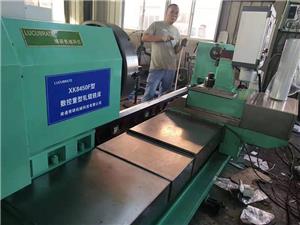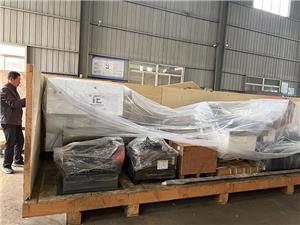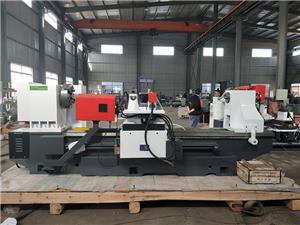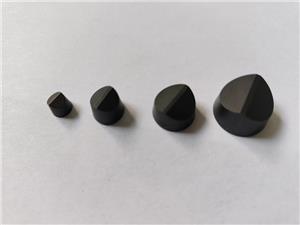
Why Is CNC Lathe for HSS the Game Changer You're Missing?
Why is it that some machine shops consistently produce flawless HSS components while others struggle with tool wear and inconsistent tolerances? The answer often lies not in the operator's skill but in the machine itself. Traditional manual lathes or outdated CNC models simply cannot keep up with the demands of high-speed steel. That's where a modern CNC lathe for HSS steps in. By integrating advanced control systems and rigid structures, these machines transform HSS machining from a frustrating guessing game into a predictable, high-precision process. In this article, we'll dissect why upgrading to a dedicated CNC lathe for HSS is not just an option but a strategic necessity for staying competitive.
Let's face it: machining HSS is tough. Its hardness and heat resistance, while beneficial for cutting tools, wreak havoc on standard lathe equipment. Many shop owners have experienced the frustration of frequent tool changes, scrapped parts due to thermal deformation, and the constant need for manual adjustments. The costs add up quickly—lost production time, material waste, and overtime labor. But these are just symptoms of a deeper issue: using a machine that wasn't designed for the specific challenges of HSS.
The core problem lies in three areas. First, heat generation. HSS generates intense heat during cutting, which can cause the workpiece to expand and lose dimensional accuracy. Second, tool wear. The hardness of HSS accelerates tool degradation, leading to poor surface finishes and increased downtime for tool changes. Third, rigidity. Without a rigid machine base, vibration and chatter become prevalent, especially at high speeds, resulting in poor surface quality and reduced tool life. These issues not only compromise product quality but also inflate operational costs, eroding profit margins.
Now, consider the solution. A CNC lathe specifically engineered for HSS addresses each of these pain points head-on. For heat management, advanced coolant systems and thermal compensation features ensure that the workpiece maintains its dimensions even during prolonged machining. For tool wear, high-precision spindles and tool holders reduce runout, extending tool life significantly. And for rigidity, a heavy cast iron base and vibration-damping technologies minimize chatter, allowing for higher cutting speeds without sacrificing accuracy. When you invest in such a machine, you're not just buying equipment; you're buying peace of mind and a competitive edge.
Let me share a story from a client in Ohio, USA. Mark Johnson, owner of Precision Components LLC, was struggling with HSS parts for the aerospace industry. "Our rejection rate was nearly 15%," he admitted. "We were losing contracts left and right." After upgrading to a CNC lathe for HSS from NANTONG LUCUBRATE MACHINERY TECHNICAL LTD., his rejection rate plummeted to under 1%. "The machine's thermal stability is phenomenal. We now hold tolerances of ±0.005mm without constant manual tweaking." Mark's story is not unique. In Germany, a tool manufacturer named Hans Weber faced similar issues. "Tool life increased by 40% after switching to a CNC lathe designed for HSS. The rigid structure allows us to run at higher speeds, and the surface finish is impeccable." These are just two examples of how the right machine can transform operations.
But let's delve deeper into the technicalities. A CNC lathe for HSS typically comes with features like high-torque spindles, programmable coolant nozzles, and advanced CNC controllers that can handle complex toolpaths. For instance, the ability to program variable spindle speeds helps manage heat generation during different cutting stages. Additionally, many models offer live tooling capabilities, allowing for milling operations in a single setup, which reduces cycle times and improves accuracy. When you compare these features to a standard lathe, the difference is night and day. The table below illustrates a quick comparison:
| Feature | Standard Lathe | CNC Lathe for HSS |
|---|---|---|
| Spindle Speed Control | Limited, manual | Programmable, variable |
| Coolant System | Basic, flood | High-pressure, directed |
| Thermal Compensation | None | Automatic |
| Vibration Damping | Minimal | Advanced |
| Tool Life | Short | Extended by up to 50% |
| Precision Tolerance | ±0.02mm | ±0.005mm |
Now, let's talk about applications. CNC lathes for HSS are indispensable in industries where precision and durability are paramount. In the automotive sector, they're used for machining transmission gears and shafts. In aerospace, they produce turbine blades and landing gear components. Medical device manufacturers rely on them for surgical instruments and implants. Even in oil and gas, these machines handle valve stems and connectors. At NANTONG LUCUBRATE MACHINERY TECHNICAL LTD., we've partnered with leading firms in these sectors, providing tailored solutions that meet stringent quality standards. For instance, our collaboration with a Swiss watchmaker resulted in a custom CNC lathe that produces intricate HSS components with micron-level accuracy, a feat previously thought impossible.
You might be wondering, "What about the initial investment?" Yes, a high-quality CNC lathe for HSS is a significant capital expenditure. But consider the long-term savings. Reduced scrap rates, lower tooling costs, and increased productivity mean that the machine pays for itself within a year or two. Moreover, the flexibility of CNC programming allows you to take on more complex jobs, expanding your revenue streams. As one purchasing manager from a UK-based engineering firm put it, "The ROI was better than we expected. Within 18 months, we had recouped our investment and were winning contracts we previously couldn't handle."
Now, let's address some common questions that engineers and procurement specialists often ask. Q1: What is the maximum spindle speed for HSS machining? A: It depends on the machine model, but our CNC lathes can reach up to 6,000 RPM, with variable speed control to optimize cutting conditions. Q2: Can I use my existing tooling? A: Most standard tooling is compatible, but we recommend using high-quality carbide or coated tools to fully leverage the machine's capabilities. Q3: How does thermal compensation work? A: Sensors monitor temperature changes in the spindle and ballscrews, and the controller adjusts the axis positions in real-time to maintain accuracy. Q4: What kind of training is required? A: Our machines come with user-friendly interfaces and we provide comprehensive training for your operators. Most become proficient within a week. Q5: What about maintenance? A: Regular maintenance is straightforward, and we offer remote diagnostics and support to minimize downtime.
In conclusion, the transition to a CNC lathe for HSS is not just an upgrade; it's a strategic move towards operational excellence. The benefits—improved precision, reduced costs, and increased productivity—are tangible and immediate. At NANTONG LUCUBRATE MACHINERY TECHNICAL LTD., we are committed to providing machines that don't just meet your expectations but exceed them. If you're ready to take your HSS machining to the next level, we invite you to download our comprehensive technical white paper, which covers advanced techniques and best practices. Or, better yet, contact our sales engineers for a personalized consultation. They'll help you select the ideal machine for your specific needs and show you how to maximize your ROI. Don't let outdated equipment hold you back. Embrace the future of machining with a CNC lathe designed for HSS.