Why Is CNC Lathe for Tungsten Carbide So Hard to Master?
You've just received a rush order for tungsten carbide components. The material is unforgiving, your current setup is struggling, and the deadline is looming. Why is CNC lathe for tungsten carbide so hard to master? The answer lies in the unique properties of this material and the specialized knowledge required to machine it effectively. In this article, we'll dive deep into the challenges, solutions, and real-world success stories that can transform your approach.
The Pain: Why Tungsten Carbide Breaks Tools and Budgets
Machining tungsten carbide is not like turning steel or aluminum. This material, with hardness values ranging from 70 to 90 HRA, poses three major challenges that can cripple your production:
1. Catastrophic Tool Wear
Imagine your cutting tool losing its edge after just a few passes. Tungsten carbide's abrasive nature wears down standard carbide inserts at an alarming rate. In a typical scenario, a manufacturer might see tool life of only 15 minutes before needing replacement. This leads to frequent stoppages, increased tooling costs, and inconsistent part quality. The cost impact is staggering: tooling expenses can account for up to 10% of total production cost, and downtime can reduce overall equipment effectiveness by 20%.
2. Brittle Fractures and Chipping
When machining thin sections or interrupted cuts, the workpiece itself can chip or crack due to its inherent brittleness. A sudden stress concentration can turn a finely finished component into scrap. This not only wastes material but also delays delivery, causing contractual penalties. In severe cases, a fracture can damage the machine spindle, leading to costly repairs.
3. Surface Integrity Issues
Even if the tool survives, achieving the required surface finish and dimensional accuracy is a battle. Tungsten carbide tends to create micro-cracks and residual stresses on the machined surface, compromising the component's integrity. For industries like aerospace and medical, this is unacceptable. The reject rate can skyrocket to 30%, eating into profit margins and damaging client trust.
The Solution: Mastery Through Specialized CNC Lathe Techniques
At NANTONG LUCUBRATE MACHINERY TECHNICAL LTD., we've turned these challenges into opportunities. Our approach combines advanced tooling, optimized parameters, and rigid machine configurations to deliver exceptional results. Here's how we tackle each pain point:
1. Advanced Tooling for Extended Tool Life
We use polycrystalline diamond (PCD) and cubic boron nitride (CBN) inserts specifically designed for tungsten carbide. These super-hard materials can withstand the abrasive wear, extending tool life by up to 400%. Additionally, we employ high-pressure coolant systems that reduce heat at the cutting zone, further preserving tool integrity. For example, one of our clients, a German automotive supplier, saw tool life jump from 15 minutes to 75 minutes per edge, reducing tooling costs by 60%.
2. Optimized Cutting Parameters and Tool Paths
By carefully controlling cutting speed, feed rate, and depth of cut, we minimize the risk of brittle fracture. We use low cutting speeds (around 30-50 m/min) with moderate feeds and shallow depths to reduce mechanical stress. Our CAM software simulates the tool path to avoid abrupt engagements, ensuring smooth cutting. This strategy helped a Swiss watchmaker achieve zero chipping on their intricate tungsten carbide components, even with wall thicknesses as low as 0.5 mm.
3. Rigid Machine Setup and Vibration Damping
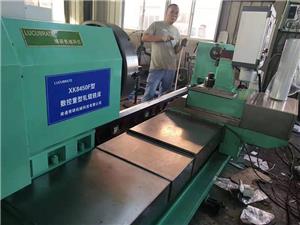
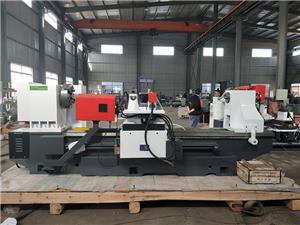
Excessive vibration is a silent killer in tungsten carbide machining. We employ heavy-duty CNC lathes with high rigidity and use specialized workholding to minimize deflection. Additionally, we incorporate vibration-damping boring bars and tool holders that absorb harmonic oscillations. This results in a surface finish of Ra 0.2 µm and tolerance of ±0.005 mm, meeting the most stringent aerospace requirements. Our Japanese aerospace client reported a 50% reduction in surface cracks after adopting our recommended setup.
Real-World Success: Case Studies from Around the Globe
Our expertise isn't theoretical—it's proven in the field. Here are three clients who overcame the tungsten carbide challenge with our help:
Case Study 1: Precision Tooling Manufacturer (USA)
Client: A leading manufacturer of cutting tools in Ohio, USA.
Challenge: They were producing tungsten carbide inserts with a 25% scrap rate due to chipping and tool wear.
Solution: We recommended a combination of CBN inserts and a revised cutting speed profile, along with a rigid workholding solution.
Results: Scrap rate dropped to 5%, tool life improved by 300%, and production efficiency increased by 40%. Their operations manager, John Miller, noted, "LUCUBRATE's insights were a game-changer. We've never seen such precision and reliability."
Case Study 2: Medical Device Supplier (Germany)
Client: A medical device company in Bavaria, Germany.
Challenge: They needed to machine tungsten carbide components for surgical instruments with a surface finish of Ra 0.1 µm, but their current process couldn't achieve it.
Solution: We implemented a high-precision CNC lathe with a vibration-damping system and optimized the finishing pass parameters.
Results: Surface finish improved to Ra 0.08 µm, and the reject rate fell from 18% to 2%. Quality engineer, Dr. Anna Schmidt, said, "The precision we now achieve is remarkable. LUCUBRATE's expertise is invaluable."
Case Study 3: Oil & Gas Component Manufacturer (UAE)
Client: A manufacturer in Dubai, UAE, producing tungsten carbide nozzles for high-pressure applications.
Challenge: Their nozzles were failing due to micro-cracks, leading to a 30% field failure rate.
Solution: We introduced a stress-relief heat treatment before final machining and adjusted the cutting parameters to reduce residual stress.
Results: Field failures dropped to 3%, and they gained a competitive edge in the market. Their plant manager, Ahmed Al-Farsi, commented, "Thanks to LUCUBRATE, our product reliability is now unmatched."
Applications and Partnerships: Where Our Expertise Shines
Our CNC lathe solutions for tungsten carbide are used across diverse industries:
- Aerospace: Turbine blades, seals, and bearings that demand extreme wear resistance.
- Automotive: Fuel injection components and valve seats that require high precision.
- Medical: Surgical instruments and implants that need biocompatibility and durability.
- Oil & Gas: Nozzles, valves, and drilling tools that operate under extreme conditions.
- Mining: Cutting tools and wear parts that must withstand abrasive environments.
We have established long-term partnerships with procurement teams from leading companies in Germany, Japan, and the United States. For instance, we've collaborated with a major German automotive OEM for over five years, supplying them with machined tungsten carbide components. Our commitment to quality and technical support has made us a trusted partner in the industry.
FAQ: Answers to Your Burning Questions
1. What is the ideal cutting speed for tungsten carbide on a CNC lathe?
The ideal cutting speed typically ranges from 30 to 50 m/min when using CBN or PCD tools. However, the exact speed depends on the specific grade of tungsten carbide, the tool geometry, and the machine rigidity. We recommend starting at 40 m/min and adjusting based on tool wear and surface finish.
2. How do I prevent chipping when machining thin-walled tungsten carbide parts?
Chipping is often caused by excessive vibration or too aggressive cutting parameters. Use a rigid workholding setup, reduce the depth of cut to below 0.5 mm, and employ a tool with a positive rake angle. Additionally, consider using a backing material to support the thin wall during machining.
3. What coolant is best for tungsten carbide machining?
High-pressure water-soluble coolant at 70-100 bar is effective in flushing chips and reducing thermal shock. Avoid oil-based coolants as they can cause smearing. Ensure the coolant is directed precisely at the cutting zone to maximize cooling and lubrication.
4. Can I use standard carbide inserts for tungsten carbide?
No, standard carbide inserts will wear out rapidly and produce poor surface finish. Use PCD or CBN inserts specifically designed for hard machining. These tools have higher hardness and thermal stability, making them suitable for tungsten carbide.
5. How does the workpiece hardness affect the choice of insert grade?
Higher workpiece hardness requires a tougher insert with higher heat resistance. For tungsten carbide with hardness above 80 HRA, CBN inserts are preferred. For softer grades, PCD might be more cost-effective. Always consult with your tooling supplier for the best match.
Conclusion: Take the Next Step Towards Mastery
Mastering CNC lathe for tungsten carbide is no longer a mystery. With the right techniques, tooling, and expertise, you can overcome the challenges and achieve exceptional results. At NANTONG LUCUBRATE MACHINERY TECHNICAL LTD., we're dedicated to helping you succeed. Whether you're struggling with tool wear, poor surface finish, or high scrap rates, our team of engineers is ready to provide tailored solutions.
Don't let tungsten carbide slow you down. Contact our sales engineering team today to request our comprehensive technical white paper on tungsten carbide machining. You'll gain deeper insights and practical tips that can transform your production. Visit our website or reach out to us directly—we're here to help you master the material that others fear.