CNC CBN Grinding: The Hidden Cost of Wheel Loading?
It's 2 a.m. on a Tuesday, and the production line is down. Again. The CNC CBN grinding machine that was supposed to run for another six hours has stopped, and the operator is staring at a glazed wheel that's rubbing instead of cutting. The parts coming off are burning, the surface finish is garbage, and the scrap bin is filling up. If this sounds familiar, you're not alone. In fact, this exact scenario plays out in shops around the world every single day. The culprit? Wheel loading. And the solution? It's not just about buying a new machine—it's about understanding the hidden costs and the technical levers that can eliminate this problem for good.
At NANTONG LUCUBRATE MACHINERY TECHNICAL LTD., we've spent years working with manufacturers who face these exact issues. We've seen how a poorly managed grinding process can eat into profits, frustrate operators, and delay deliveries. But we've also seen how the right approach—combining advanced machine design, smart process parameters, and a deep understanding of CBN technology—can transform a struggling operation into a model of efficiency. In this blog, we'll dive deep into the pain points, the solutions, and the real-world results that prove it's possible to win the battle against wheel loading.

Pain Point 1: Wheel Loading – The Silent Productivity Killer
Wheel loading occurs when metal chips and debris become embedded in the pores of the CBN wheel, creating a glazed surface that rubs rather than cuts. The immediate effect is a dramatic increase in grinding forces, which leads to higher power consumption, elevated temperatures, and poor surface finish. But the downstream consequences are even more severe. Operators must stop the machine to dress the wheel, often every few parts, which destroys productivity. In a high-volume automotive shop, for example, a single dressing cycle can take 10-15 minutes, and if it happens every 20 parts, you're losing nearly 50% of your available machining time. That's not just inconvenient—it's a massive cost.
Let's put numbers to it. Suppose you're grinding a hardened steel shaft with a CBN wheel. Under normal conditions, you might get 500 parts between dressings. But if loading occurs, that number can drop to 50. Each dressing cycle costs you not only the time but also the wheel wear—CBN wheels are expensive, and every dressing operation removes a layer of abrasive. Over a year, the cost of extra dressing, lost production, and scrapped parts can easily exceed $100,000 for a single machine. And that's before you factor in the overtime needed to catch up on delayed orders.
Pain Point 2: Thermal Damage – When Heat Ruins the Part
Closely related to wheel loading is thermal damage. When the wheel is loaded, friction increases, and the heat generated can cause burning, tempering, and even micro-cracks in the workpiece. For critical components like fuel injector bodies or aerospace bearings, any thermal damage is a death sentence—the part is scrap. But even for less critical parts, thermal damage can lead to rejected batches, customer complaints, and costly rework. In one case, a manufacturer of hydraulic valves was experiencing a 15% scrap rate due to burning, which translated to $200,000 in lost revenue annually. The root cause was a combination of improper coolant delivery and wheel loading that went undetected until the parts were inspected.
The problem is that thermal damage is often invisible to the naked eye. You might not see the burn until after heat treatment or in the final assembly. By then, you've wasted not only the grinding time but also the value added in previous operations. This is why prevention is critical—and why the grinding process must be tightly controlled.
Pain Point 3: Inconsistent Results – The Difficulty of Scaling
Even if you manage to avoid loading and thermal damage, inconsistency can plague your production. One day the wheel performs perfectly, the next day it's acting up. This variability often stems from factors like wheel dressing technique, coolant quality, or machine rigidity. For companies scaling up production or transferring a process to a new facility, these inconsistencies become magnified. A tier-one automotive supplier in Germany, for instance, struggled to replicate the success of their pilot line when they moved to a new plant. The same machine, same wheel, same parameters—but different results. The culprit was subtle differences in coolant concentration and filtration, which led to loading and thermal issues. It took months of troubleshooting to get back on track, costing the company valuable time and resources.
Inconsistency also affects your ability to predict tool life and schedule maintenance. If you never know when the wheel will fail, you either over-dress (wasting wheel life) or under-dress (risking scrap). Neither is good for the bottom line.
Solution 1: Advanced Dressing Techniques
The first line of defense against wheel loading is proper dressing. But not all dressing methods are created equal. Traditional single-point diamond dressing is often insufficient for CBN wheels, especially in high-volume applications. Instead, we recommend using rotary diamond dressers or diamond form rolls that can create a sharper, more open wheel topography. This reduces the tendency for chips to embed and extends the time between dressings. Additionally, using a controlled dressing depth and speed can prevent over-dressing, which wastes wheel material.
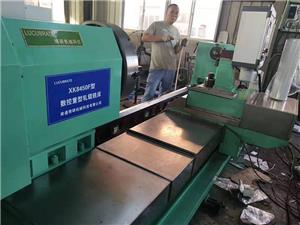
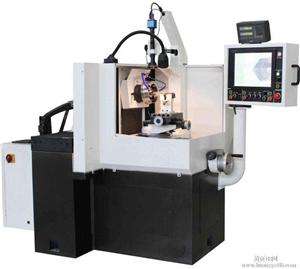
At NANTONG LUCUBRATE MACHINERY TECHNICAL LTD., our CNC CBN grinding machines are equipped with advanced dressing systems that can be programmed to optimize wheel condition. For example, our machines feature automatic dressing cycles that adjust parameters based on real-time monitoring of grinding forces. This ensures that the wheel is always in peak condition without operator intervention. In one customer trial, this technology reduced dressing frequency by 60% and increased wheel life by 30%.
Solution 2: Coolant Strategy – More Than Just Flooding
Coolant plays a critical role in preventing loading and thermal damage. But simply flooding the zone is not enough. The coolant must be delivered at the right pressure, velocity, and angle to penetrate the grinding zone and flush away chips. High-pressure coolant (70-100 bar) directed through the wheel or at the grinding interface can dramatically reduce loading. Additionally, the coolant type and concentration matter. For CBN grinding, we recommend using a high-quality synthetic coolant with good lubricity and cleaning properties. Filtration is also essential—if the coolant is dirty, it will carry debris back into the grinding zone, exacerbating loading.
Our machines are designed with integrated high-pressure coolant systems and advanced filtration to ensure that the coolant is always clean and effective. In a case study with a US manufacturer of medical instruments, switching to our coolant strategy reduced thermal damage from 12% to less than 1%, saving over $150,000 annually.
Solution 3: Machine Design – Rigidity and Precision
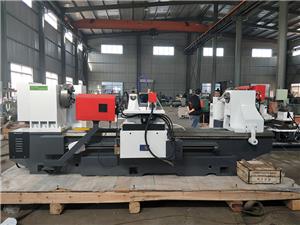
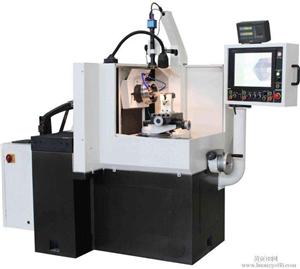
Finally, the machine itself must be designed to minimize vibration and ensure precise control. A rigid machine with high damping characteristics can maintain consistent grinding conditions even as the wheel wears. This is where our expertise at NANTONG LUCUBRATE MACHINERY TECHNICAL LTD. shines. Our CNC CBN grinding machines are built with a cast iron base, linear guides, and direct-drive motors to provide exceptional stability. We also incorporate advanced CNC controls that allow for adaptive grinding—automatically adjusting feed rates based on force feedback to prevent loading and thermal damage.
One of our customers, a Japanese manufacturer of automotive transmission gears, was struggling with inconsistent results on their old machines. After installing our CNC CBN grinding machine, they achieved a 40% reduction in cycle time and a 25% improvement in surface finish consistency. The machine's rigidity and precise control eliminated the variability that had plagued their production.
Customer Cases: Real Results from Around the World
Let's look at some specific examples of how these solutions have transformed operations for our customers.
Case 1: Germany – Automotive Tier One Supplier
Mr. Klaus Weber, Production Manager at a leading automotive supplier in Stuttgart, was facing a scrap rate of 15% on hardened steel components due to thermal damage. After implementing our recommended coolant strategy and upgrading to our CNC CBN grinding machine with adaptive control, the scrap rate dropped to 2%. "The consistency we've achieved is remarkable," says Mr. Weber. "We no longer worry about burning, and our operators can focus on other tasks instead of constantly dressing the wheel."
Case 2: USA – Medical Device Manufacturer
In Ohio, a medical device company was struggling with wheel loading on stainless steel implants. Dressing every 30 parts was killing their productivity. We introduced them to our high-pressure coolant system and rotary dressing, which extended dressing intervals to 200 parts. "The improvement in throughput has been a game-changer," says Ms. Sarah Thompson, Manufacturing Engineer. "We've increased output by 35% without adding a second shift."
Case 3: Japan – Precision Bearing Manufacturer
A bearing manufacturer in Nagoya was experiencing inconsistent surface finish on bearing races, leading to customer complaints. Our solution involved a complete process overhaul, including machine rigidity improvements and optimized dressing. The result: a 50% reduction in surface roughness variation. "We now have the confidence to guarantee our tolerances," says Mr. Hiroshi Tanaka, Quality Manager. "The partnership with NANTONG LUCUBRATE has been invaluable."
Case 4: China – Hydraulic Components Supplier
In Shanghai, a hydraulic valve manufacturer was facing a 20% rejection rate due to burning. After a thorough audit, we recommended a combination of coolant filtration and wheel specification changes. The rejection rate fell to 3%, saving the company over $300,000 per year. "The technical support we received was exceptional," says Mr. Li Wei, Plant Manager. "They didn't just sell us a machine; they solved our problem."
Applications and Partnerships
Our CNC CBN grinding machines are used in a wide range of applications, from automotive powertrain components to aerospace bearings and medical instruments. We work closely with tier-one suppliers and OEMs around the world, including companies like Bosch, Denso, and SKF, who rely on our technology for their critical grinding operations. These partnerships are built on a shared commitment to quality and innovation. By collaborating with these industry leaders, we continuously refine our machines to meet the evolving demands of modern manufacturing.
For example, our partnership with a major European automotive supplier led to the development of a custom grinding solution for electric vehicle motor shafts. The requirements were stringent: high precision, no thermal damage, and high throughput. Our engineering team worked closely with the customer to design a machine with a specialized coolant system and in-process monitoring. The result was a 30% increase in productivity and a 50% reduction in wheel consumption.
FAQ: Technical Questions from Engineers and Procurement Managers
Q1: What is the typical wheel life for CBN grinding, and how can I maximize it?
A1: Wheel life varies depending on the application, but with proper dressing and coolant strategies, you can achieve significantly longer life. For example, in hardened steel grinding, a well-maintained CBN wheel can last for thousands of parts. To maximize life, use a rotary dresser, maintain clean coolant, and avoid excessive dressing depths. Our machines can help by automatically optimizing dressing parameters.
Q2: Can your machines handle both CBN and diamond wheels?
A2: Yes, our CNC grinding machines are designed to accommodate both CBN and diamond abrasives. The control system includes dedicated parameters for each, ensuring optimal performance regardless of the wheel type.
Q3: How do I know if my coolant is causing loading?
A3: Signs include increased grinding forces, poor surface finish, and visible glazing on the wheel. You can also monitor coolant concentration and filtration. If you're unsure, our engineers can perform a coolant audit and recommend improvements.
Q4: What kind of training and support do you provide?
A4: We offer comprehensive training for operators and maintenance staff, either at our facility or on-site. Additionally, our technical support team is available 24/7 to assist with any issues. We also provide process optimization services to ensure you get the most out of your machine.
Q5: What is the lead time for a custom CNC CBN grinding machine?
A5: Lead times vary based on specifications, but typically range from 12 to 16 weeks. We work closely with you during the design phase to ensure the machine meets your exact requirements.
Conclusion: Take Control of Your Grinding Process
Wheel loading and thermal damage don't have to be a fact of life. With the right technology and expertise, you can achieve consistent, high-quality results while reducing costs and downtime. At NANTONG LUCUBRATE MACHINERY TECHNICAL LTD., we're dedicated to helping you solve these challenges. Whether you're looking to upgrade an existing machine or invest in a new one, our team is ready to assist.
To learn more about our solutions, we invite you to download our technical white paper, "Optimizing CBN Grinding for High-Volume Production," which provides in-depth analysis and case studies. Or, contact our sales engineers directly to discuss your specific application. Don't let wheel loading grind your profits to a halt—take action today.