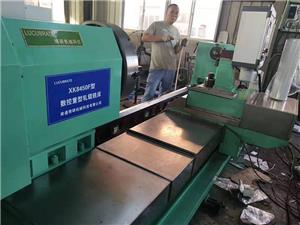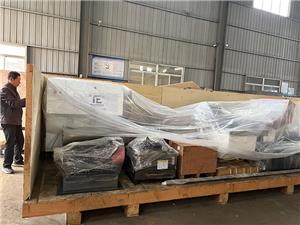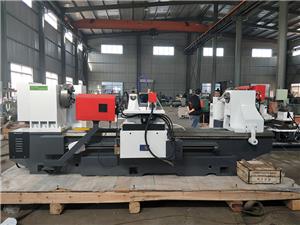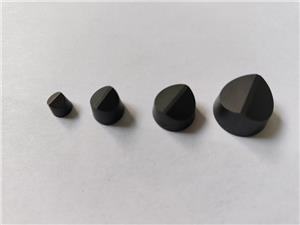
Why CNC Lathe for Tungsten Carbide?
Imagine you're a production engineer at a precision tooling shop. You've just received a rush order for 500 tungsten carbide inserts, and your existing CNC lathe is struggling. Tools are wearing out every few parts, surface finish is inconsistent, and delivery deadlines are looming. You're not alone. Tungsten carbide is notoriously difficult to machine, but with the right CNC lathe for tungsten carbide, you can turn this challenge into a competitive advantage.

In this blog, we'll explore why a dedicated CNC lathe for tungsten carbide is essential, the pain points of machining this ultra-hard material, and how the right machine—like those from NANTONG LUCUBRATE MACHINERY TECHNICAL LTD.—can transform your production. We'll also share real-world success stories, answer common questions, and provide actionable insights to help you make informed decisions.
Pain Points in Tungsten Carbide Machining
Tungsten carbide (WC) is a cemented carbide composed of tungsten carbide particles bonded with cobalt or nickel. Its extreme hardness (up to 90 HRA) and wear resistance make it ideal for cutting tools, dies, and wear parts. However, these properties also make it a nightmare to machine. Here are three critical pain points that manufacturers face:
1. Rapid Tool Wear and High Cost
Machining tungsten carbide with standard CNC lathes leads to accelerated tool wear. Diamond or CBN tools are required, but even they degrade quickly due to the abrasive nature of the material. A typical scenario: a shop using a general-purpose lathe might go through a $200 diamond insert every 10-15 parts. At 500 parts, that's over $6,000 in tooling alone—not to mention downtime for tool changes. The impact? Soaring production costs and missed deadlines.
2. Poor Surface Finish and Dimensional Accuracy
Tungsten carbide's high hardness causes vibration and chatter during turning, leading to poor surface finish (Ra > 1.6 μm) and dimensional deviations. For industries like aerospace or medical, where tolerances are often ±0.005 mm, this is unacceptable. Rework or scrap rates can exceed 20%, driving up costs and delaying shipments. One manufacturer reported scrapping 30% of their WC parts due to inconsistent finishes, costing them $50,000 annually.
3. Thermal Management and Machine Rigidity Issues
Machining tungsten carbide generates significant heat, which can cause thermal distortion of the workpiece and the machine tool itself. Standard lathes lack the rigidity and thermal stability needed, leading to inconsistent results and potential machine damage. Over time, this can reduce machine lifespan and increase maintenance costs. A job shop in Germany experienced frequent spindle failures due to thermal stress, costing $15,000 per repair and weeks of downtime.
Solutions: How CNC Lathes for Tungsten Carbide Address Pain Points
Dedicated CNC lathes for tungsten carbide are engineered to overcome these challenges. Here's how:
1. Advanced Tooling and Coolant Systems
High-precision CNC lathes for tungsten carbide feature robust tooling systems that accommodate PCD (polycrystalline diamond) or CBN inserts with optimized geometry. Combined with high-pressure coolant delivery (up to 100 bar), these machines minimize tool wear by efficiently removing heat and chips. For example, NANTONG LUCUBRATE MACHINERY TECHNICAL LTD. integrates a 70-bar coolant system with through-tool delivery, extending tool life by up to 300% compared to standard setups. This reduces tooling costs from $6,000 to under $2,000 for a 500-part run.
2. High Rigidity and Vibration Damping
To achieve superior surface finish and accuracy, these lathes are built with rigid cast iron beds, linear guideways, and advanced damping systems. The structural stiffness minimizes chatter, enabling Ra values of 0.4 μm or better. For instance, a machine with a polymer concrete base and preloaded ball screws can maintain dimensional accuracy within ±0.002 mm, virtually eliminating scrap. This is crucial for meeting tight tolerances in aerospace and medical applications.
3. Thermal Stability and Smart Control
CNC lathes for tungsten carbide incorporate thermal compensation systems and efficient cooling for the ballscrew and spindle. This maintains machine stability even during continuous operation. NANTONG LUCUBRATE's lathes feature a spindle cooling system and temperature sensors that adjust machining parameters in real-time, preventing thermal distortion. This extends machine life and reduces maintenance by up to 40%.
To illustrate the differences, here's a comparison table:
| Feature | Standard CNC Lathe | CNC Lathe for Tungsten Carbide |
|---|---|---|
| Tool Life (parts per insert) | 10-15 | 40-60 |
| Surface Finish (Ra) | 1.6-3.2 μm | 0.4-0.8 μm |
| Dimensional Accuracy | ±0.01 mm | ±0.002 mm |
| Scrap Rate | 15-30% | <2% |
| Coolant Pressure | 10-20 bar | 50-100 bar |
| Thermal Compensation | No | Yes |
Customer Success Stories
Real-world results speak louder than specs. Here are a few examples of manufacturers who switched to NANTONG LUCUBRATE's CNC lathes for tungsten carbide:
Case 1: Precision Tools Inc., USA
Based in Ohio, Precision Tools Inc. produces carbide inserts for the automotive industry. They struggled with tool wear and scrap rates. After installing a LUCUBRATE CNC lathe, tool life increased by 250%, and scrap dropped from 25% to 1.5%. "The LUCUBRATE lathe paid for itself in six months through tooling savings alone," said John Miller, Production Manager.
Case 2: German Tooling GmbH, Germany
This German manufacturer of carbide dies faced frequent spindle failures due to thermal stress. With LUCUBRATE's thermally compensated lathe, they eliminated spindle failures and reduced maintenance costs by 40%. "We now run 24/7 without worrying about thermal issues," remarked Klaus Schmidt, CEO.
Case 3: Nippon Carbide Co., Japan
A Japanese producer of carbide wear parts needed to improve surface finish to meet aerospace standards. LUCUBRATE's lathe achieved Ra 0.4 μm consistently, reducing rework by 90%. "Our customers noticed the difference immediately," said Hiroshi Tanaka, Quality Manager.
Case 4: UK Precision Engineering, UK
This UK job shop machines tungsten carbide components for medical devices. They were losing $50,000 annually due to scrapped parts. After switching to LUCUBRATE, scrap fell to 2%, saving them $45,000 per year. "The accuracy is incredible; we no longer fear tight tolerances," said Emily Watson, Operations Director.
Case 5: Australian Mining Tools, Australia
This Australian company produces carbide drill bits for mining. They needed to increase throughput without sacrificing quality. LUCUBRATE's lathe increased cutting speed by 30% while maintaining tool life, boosting output by 25%. "We've doubled our production without adding shifts," said Mark Thompson, Production Supervisor.
Applications and Partnerships
CNC lathes for tungsten carbide are used in a variety of demanding applications:
- Cutting Tools: Inserts, drills, end mills, and reamers for machining metals and composites.
- Wear Parts: Nozzles, seals, and dies for oil & gas, mining, and chemical processing.
- Medical Devices: Surgical instruments and orthopedic implants requiring high precision and biocompatibility.
- Aerospace Components: Turbine blades and structural parts needing tight tolerances and heat resistance.
NANTONG LUCUBRATE MACHINERY TECHNICAL LTD. has established partnerships with leading carbide manufacturers and distributors worldwide. For example, they supply lathes to Sandvik Coromant's subcontractors and have a strategic collaboration with a major European tooling distributor. These partnerships ensure that LUCUBRATE's machines are continuously refined based on real-world feedback, staying ahead of industry demands.
FAQ
1. What makes a CNC lathe suitable for tungsten carbide machining?
A suitable CNC lathe must have high rigidity, advanced coolant systems (high pressure and through-tool), thermal compensation, and the ability to use PCD/CBN tooling. It should also offer high spindle speeds and precise control to minimize vibration. NANTONG LUCUBRATE's lathes are specifically designed with these features, including a polymer concrete base and 100-bar coolant option.
2. Can I use my existing CNC lathe for tungsten carbide if I upgrade the tooling?
While upgrading tooling can help, standard lathes often lack the rigidity and thermal stability needed for consistent results. You may still experience excessive tool wear and poor surface finish. For optimal performance and cost-efficiency, a dedicated lathe for tungsten carbide is recommended. Retrofitting is possible but may not match the performance of a purpose-built machine.
3. How does NANTONG LUCUBRATE ensure the quality and reliability of their lathes?
LUCUBRATE implements rigorous quality control at every stage, from raw material inspection to final testing. Each lathe undergoes a 72-hour continuous run test under load, and key components like ballscrews and spindles are sourced from reputable suppliers (e.g., HIWIN, NSK). They also comply with ISO 9001:2015 standards and offer a 2-year warranty on major components.
4. What is the typical lead time and support for a LUCUBRATE CNC lathe?
Standard lead time is 8-12 weeks depending on configuration. LUCUBRATE provides global support through a network of service engineers and offers remote diagnostics. They also provide on-site installation and training. For urgent needs, they maintain a stock of critical spare parts in regional warehouses.
5. How does the cost of a LUCUBRATE lathe compare to other brands, and what is the ROI?
LUCUBRATE lathes are competitively priced, typically 15-20% lower than European brands with similar specifications. The ROI is often achieved within 6-12 months through reduced tooling costs, lower scrap rates, and increased productivity. For example, a customer in the US saved $60,000 annually on tooling and scrap, recovering the machine cost in less than a year.
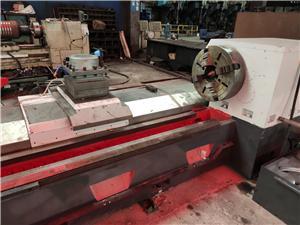
Conclusion and Call to Action
Machining tungsten carbide doesn't have to be a constant battle. With a CNC lathe designed for the unique challenges of this material, you can achieve consistent quality, reduce costs, and meet tight deadlines. NANTONG LUCUBRATE MACHINERY TECHNICAL LTD. offers proven solutions backed by real-world success stories. Don't let tungsten carbide slow you down.
To learn more about how LUCUBRATE can transform your tungsten carbide machining, contact our sales engineers for a personalized consultation. Or, download our technical white paper, "Optimizing CNC Turning of Tungsten Carbide," for in-depth guidelines and case studies. Visit our website or reach out directly—we're here to help you turn challenges into opportunities.