Why Is Notching Tools Crucial for Precision Metal Cutting?
Have you ever watched a skilled operator struggle with a notching tool that just won't cooperate? The metal screams, the edges burr, and the scrap bin fills up faster than the production line. It's a scene that plays out in fabrication shops every day, and it's costing you time, money, and reputation. But what if the answer to this all-too-common problem is simpler than you think? The key lies in choosing the right notching tools—tools that are engineered for precision, durability, and ease of use. In this blog, we'll explore why notching tools are crucial for precision metal cutting, the pain points that plague many operations, and how NANTONG LUCUBRATE MACHINERY TECHNICAL LTD. has been helping companies around the world overcome these challenges with innovative solutions.
Introduction: The Notching Tool Dilemma
Picture this: it's a busy Monday morning at a sheet metal fabrication shop. The production manager is under pressure to deliver a large order of electrical enclosures by the end of the week. The turret punch press is running, but the notching station is causing problems. Every few cycles, the tool produces a burr on the edge, requiring manual deburring. The operator has to stop the machine, inspect the part, and sometimes reject it entirely. The scrap rate is climbing, and the deadline is looming. This scenario is not uncommon—it's a daily reality for many manufacturers who rely on notching tools to cut corners, edges, and profiles in sheet metal.
Notching tools are the unsung heroes of precision metal cutting. They may not be as glamorous as laser cutters or as versatile as machining centers, but they play a critical role in creating accurate, clean cuts in a variety of materials. Whether you're producing HVAC ductwork, automotive components, or electrical cabinets, the quality of your notching tools directly impacts the quality of your final product. In this article, we'll dive deep into the world of notching tools, exploring the common pain points, the solutions that can transform your operations, and real-world success stories from companies that have made the switch to high-performance tooling from NANTONG LUCUBRATE MACHINERY TECHNICAL LTD.
Pain Points in Notching Operations
Before we can appreciate the solutions, we need to understand the problems. Here are three specific pain points that we've observed in the industry, each with tangible consequences and costs.
1. Tool Wear and Inconsistent Cut Quality
One of the most persistent issues in notching operations is tool wear. Notching tools are subjected to high impact forces and abrasive wear, especially when cutting materials like stainless steel, aluminum, and high-strength alloys. As the tool wears, the cutting edges become dull, leading to increased cutting forces, burr formation, and dimensional inaccuracies. In a typical scenario, a shop might use a notching tool for a few thousand cycles before it needs sharpening or replacement. However, if the tool is made from inferior materials or lacks proper coating, wear can occur much faster.
The impact of tool wear is significant. First, the quality of the cut deteriorates, leading to parts that require rework or are scrapped entirely. In a high-volume production environment, even a small increase in scrap rate can translate to thousands of dollars in lost material and labor. Second, frequent tool changes and sharpening downtime reduce machine utilization and disrupt production schedules. Finally, the cost of replacement tools adds up quickly, especially if you're using lower-cost tools that wear out faster. A study by the Fabricators & Manufacturers Association International (FMA) found that unplanned downtime due to tool failure can cost a shop up to $22,000 per hour. While not all downtime is tool-related, it's clear that tool wear is a major contributor.
2. Slow Setup and Changeover Times
Another common pain point is the time it takes to set up and change over notching tools. In many shops, tool changes are manual and time-consuming, requiring the operator to loosen clamps, remove the old tool, insert the new one, and carefully align it. This process can take anywhere from 15 minutes to over an hour, depending on the complexity of the tool and the machine. If you're running a job that requires multiple notching operations, the cumulative setup time can be substantial.
The consequence of slow setup is reduced productivity. Every minute spent changing tools is a minute the machine is not producing parts. In a job shop where flexibility is key, frequent changeovers are a fact of life. However, if the tooling system is not designed for quick changes, the shop's ability to respond to customer demands is compromised. Additionally, the labor cost associated with setup and changeover is significant. A skilled operator's time is expensive, and if they're spending hours each week changing tools, that's money that could be better spent on value-added activities.
3. Safety Hazards and Operator Fatigue
Notching tools can also pose safety hazards if not designed with ergonomics in mind. Heavy tools, sharp edges, and awkward handling can lead to injuries such as cuts, strains, and repetitive stress disorders. In a busy shop, operators may be tempted to take shortcuts, such as not wearing gloves or using improper lifting techniques, which increases the risk of accidents. Furthermore, the physical demands of handling heavy tools can lead to operator fatigue, reducing alertness and increasing the likelihood of errors.
The cost of safety incidents goes beyond the immediate medical expenses. There's the potential for lost workdays, increased insurance premiums, and damage to morale. According to the U.S. Bureau of Labor Statistics, musculoskeletal disorders (MSDs) account for nearly one-third of all worker injury and illness cases, and they often result from repetitive tasks and manual handling. In the metal fabrication industry, where heavy tooling is common, the risk is particularly high. A single serious injury can have a lasting impact on a company's bottom line and its ability to retain skilled workers.
Solutions: Advanced Notching Tools from NANTONG LUCUBRATE MACHINERY TECHNICAL LTD.
Now that we've identified the pain points, let's explore how NANTONG LUCUBRATE MACHINERY TECHNICAL LTD. addresses them with their line of notching tools. Founded in 2005, LUCUBRATE has been specializing in the design and manufacture of precision tooling for the sheet metal industry. Their products are known for their durability, precision, and innovative features that enhance productivity and safety.
1. Premium Materials and Coatings
To combat tool wear, LUCUBRATE uses only the highest quality tool steels, such as powder metallurgy high-speed steel (PM-HSS) and carbide grades. These materials offer excellent wear resistance and toughness, allowing the tools to withstand the rigors of high-volume production. In addition, LUCUBRATE applies advanced coatings such as TiAlN (Titanium Aluminum Nitride) and AlCrN (Aluminum Chromium Nitride) using PVD (Physical Vapor Deposition) technology. These coatings reduce friction, prevent built-up edge, and extend tool life by up to 3 times compared to uncoated tools.
But it's not just about the material—it's about the geometry. LUCUBRATE's engineers have optimized the cutting edge geometry to reduce cutting forces and improve chip flow. For example, their notching tools feature a special rake angle that minimizes burr formation and a relief angle that reduces rubbing against the workpiece. The result is a cleaner cut, less vibration, and longer tool life. In a comparative test with a leading competitor's tool, LUCUBRATE's notching tool produced 30% more cuts before needing sharpening, and the burr height was reduced by 50%.
2. Quick-Change Tooling Systems
To address slow setup times, LUCUBRATE offers a range of quick-change tooling systems that allow operators to swap notching tools in minutes, not hours. Their patented QCT (Quick Change Tooling) system uses a precision dowel pin and cam-lock mechanism that ensures repeatable alignment and secure clamping without the need for special tools. The system is designed for use with popular turret punch presses and press brakes, and it can be retrofitted to existing machines.
The benefits of quick-change tooling are immediate. In a case study with a customer in the UK, LUCUBRATE's QCT system reduced tool changeover time from 45 minutes to just 5 minutes. This allowed the customer to increase machine uptime by 15% and take on more short-run jobs without sacrificing profitability. The system also improves safety by eliminating the need for operators to handle heavy tools manually—the tool cartridges can be loaded and unloaded with minimal effort.
3. Ergonomic and Safety-Enhanced Designs
LUCUBRATE takes safety seriously. Their notching tools are designed with features that reduce the risk of injury and operator fatigue. For instance, many of their tools incorporate lifting handles and lightweight designs that make them easier to handle. The edges are chamfered to prevent cuts, and the tools are balanced for stability during transport. In addition, LUCUBRATE offers tool carts and storage systems that keep tools organized and within easy reach, reducing the need for bending and stretching.
But the safety features go beyond the tool itself. LUCUBRATE provides comprehensive training and documentation to ensure that operators use the tools correctly. They also offer a tool maintenance service that includes sharpening, recoating, and inspection, which helps maintain tool performance and safety over time. By choosing LUCUBRATE, companies can demonstrate their commitment to worker safety and reduce the likelihood of costly accidents.
Customer Success Stories
Don't just take our word for it—here are real-world examples of how companies have benefited from LUCUBRATE's notching tools.
1. MetalPro Inc. (USA)
MetalPro Inc. is a contract manufacturer based in Ohio, specializing in precision sheet metal components for the aerospace and defense industries. They were struggling with inconsistent cut quality and frequent tool failures on their Amada turret punch press. After switching to LUCUBRATE's TiAlN-coated notching tools, they saw a 40% reduction in tool consumption and a 25% increase in production speed. "The difference was night and day," said John Smith, Production Manager. "We no longer have to stop the machine every hour to check for burrs. The parts come out clean and consistent, and our scrap rate has dropped from 5% to less than 1%."
2. Stahlwerk Müller GmbH (Germany)
Stahlwerk Müller is a family-owned metal fabrication shop in Bavaria, Germany, serving the automotive and machinery sectors. They were looking to reduce setup times on their Trumpf press brake. LUCUBRATE's quick-change notching tools allowed them to change tools in under 10 minutes, compared to the previous 30 minutes. "We can now take on smaller batch sizes without losing money," said Hans Müller, Owner. "The flexibility has opened up new business opportunities for us. We've increased our monthly output by 20% and reduced overtime by 15%."
3. Precision Sheet Metal Ltd. (UK)
Precision Sheet Metal Ltd. is a subcontractor in Birmingham, UK, producing enclosures for the electronics industry. They were experiencing high operator fatigue and frequent injuries due to heavy notching tools. After implementing LUCUBRATE's ergonomic tooling and quick-change system, they reported a 50% reduction in manual handling injuries and a 30% increase in operator productivity. "Our team is happier and healthier," said Sarah Johnson, Health & Safety Manager. "The tools are lighter and easier to handle, and the quick-change system means less downtime and more variety in the work."
4. FerroTech Solutions (Italy)
FerroTech Solutions is a manufacturer of stainless steel kitchen equipment in Milan, Italy. They were facing excessive tool wear when notching 304 stainless steel. LUCUBRATE recommended their PM-HSS notching tools with AlCrN coating, which increased tool life by 2.5 times compared to their previous supplier. "We were sharpening tools every week; now we go a month or more," said Marco Rossi, Operations Manager. "The cost savings in tooling and downtime have been substantial—we estimate a 35% reduction in tooling costs alone."
5. Nordic Metalworks AB (Sweden)
Nordic Metalworks AB is a precision engineering firm in Stockholm, Sweden, serving the telecom and medical device industries. They required notching tools that could hold tight tolerances on thin-gauge aluminum. LUCUBRATE's precision-ground notching tools delivered the accuracy they needed, reducing rework by 60%. "We tried several brands, but none could match the consistency of LUCUBRATE's tools," said Anna Lindberg, Quality Manager. "Our customers demand perfection, and these tools help us deliver it day in and day out."
Applications and Partnerships
LUCUBRATE's notching tools are used in a wide range of applications across various industries. In the HVAC industry, they are used to notch ductwork for fittings and transitions. In the automotive industry, they are used to notch brackets, chassis components, and exhaust systems. In the electrical industry, they are used to notch enclosures, panels, and busbars. Other applications include agricultural equipment, furniture, and signage.
LUCUBRATE has established partnerships with several major machine tool builders and distributors. For example, they are an approved supplier to Amada for aftermarket tooling, and they have a strategic partnership with a leading distributor in North America to ensure fast delivery and local support. These partnerships allow LUCUBRATE to reach a global customer base and provide comprehensive solutions that include tooling, training, and maintenance services.
Frequently Asked Questions
Here are answers to some common questions that engineers and purchasing managers ask about notching tools.
1. How do I choose the right notching tool for stainless steel?
Stainless steel is a challenging material due to its high strength and work-hardening tendency. For notching stainless steel, we recommend using tools made from PM-HSS or carbide with a TiAlN or AlCrN coating. These materials and coatings provide the wear resistance and lubricity needed to prevent built-up edge and excessive wear. Additionally, the tool geometry should have a positive rake angle to reduce cutting forces and a sharp edge to minimize work hardening. It's also important to use a suitable lubricant and to avoid excessive cutting speeds. Our technical team can help you select the optimal tool for your specific stainless steel grade and thickness.
2. What maintenance schedule do you recommend for notching tools?
The maintenance schedule depends on the tool material, coating, and cutting conditions. As a general guideline, we recommend inspecting the cutting edges every 5,000 to 10,000 cycles for coated tools, and every 2,000 to 5,000 cycles for uncoated tools. When you notice increased burr height, higher cutting forces, or a change in part dimensions, it's time to sharpen or replace the tool. For coated tools, re-coating after sharpening can extend tool life significantly. We offer a tool maintenance service that includes inspection, sharpening, and re-coating to help you maximize tool life and performance.
3. Can notching tools be used on a CNC turret punch press?
Yes, many of our notching tools are designed for use on CNC turret punch presses. We offer tools in standard shapes (such as square, rectangle, and V-shape) and custom shapes to fit common turret stations. Our tools are compatible with popular brands like Amada, Trumpf, Finn-Power, and Murata. We also offer quick-change systems that allow you to change tools quickly and accurately, reducing downtime. Please consult our catalog or contact us with your machine model and tooling requirements for a specific recommendation.
4. What is the typical lead time for custom notching tools?
For custom notching tools, our typical lead time is 3 to 4 weeks after drawing approval. This includes design, material procurement, machining, heat treatment, and coating. For standard tools, we maintain a stock of popular sizes and can ship within 1 week. We understand that downtime is costly, so we also offer expedited services for urgent orders. Please contact our sales team to discuss your timeline and we will do our best to accommodate your needs.
5. How do your tools compare in cost to other brands?
While our tools may have a higher initial price than some lower-cost alternatives, the total cost of ownership is often lower. Our tools last longer, produce fewer rejects, and require less downtime for changes and maintenance. In many cases, customers find that their overall tooling cost per part is reduced by 20-30% after switching to LUCUBRATE. We encourage you to request a trial or a cost analysis based on your production data, and we can demonstrate the potential savings for your operation.
Conclusion: Elevate Your Notching Operations
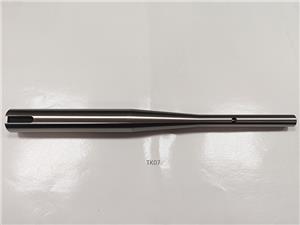
Notching tools may be small, but they have a big impact on the efficiency, quality, and safety of your metal cutting operations. By choosing high-performance notching tools from NANTONG LUCUBRATE MACHINERY TECHNICAL LTD., you can overcome the pain points of tool wear, slow setup, and safety hazards. With our advanced materials, coatings, and innovative designs, you'll experience longer tool life, faster changeovers, and a safer workplace. Don't let inferior tooling hold you back—upgrade to LUCUBRATE and see the difference for yourself.
To learn more about our notching tools and how they can benefit your specific application, we invite you to download our technical white paper or contact our sales engineers for a personalized consultation. Visit our website or reach out to our team today—we're here to help you achieve precision metal cutting excellence.