Why Tungsten Carbide Wire Mesh Rolls?
Introduction
Imagine this: It's 3 a.m., and a maintenance engineer at a mining site is scrambling to replace yet another worn-out screen. The production line has been halted for the third time this month, and the costs are mounting. This scenario is all too familiar in industries that rely on wire mesh for screening, filtration, and separation. But what if there was a solution that could drastically reduce downtime and extend the life of your equipment? Enter tungsten carbide wire mesh rolls – the unsung hero of industrial screening. In this blog, we'll explore why these rolls are revolutionizing the industry, and how they can save you time, money, and headaches.
Industry Pain Points
Before we dive into the solution, let's examine the specific challenges that industries face with conventional wire mesh.
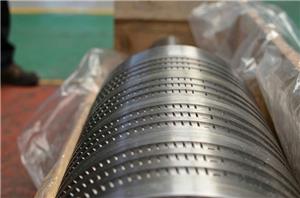
1. Rapid Wear and Frequent Replacement Costs
In high-abrasion environments like mining and aggregate processing, standard steel wire mesh wears out quickly. A typical screen might last only a few weeks, leading to frequent replacements. The cost isn't just the mesh itself – it's the labor, downtime, and lost production. For a large mining operation, each hour of downtime can cost thousands of dollars. Over a year, these replacements can add up to hundreds of thousands in unexpected expenses.
2. Inefficient Screening and Downtime
When mesh wears unevenly, it can cause blinding (clogging) or inaccurate sizing, leading to product quality issues and rework. Frequent stoppages to clean or replace screens disrupt the entire process. In the chemical industry, inconsistent screening can lead to batch rejections and safety hazards. The cumulative effect is reduced throughput and increased operational stress.
3. Corrosion and High-Temperature Failures
In corrosive environments or high-temperature applications, standard mesh degrades rapidly. For example, in chemical processing or food production, acidic or alkaline substances can corrode mesh, leading to contamination and premature failure. High temperatures can cause warping or oxidation, compromising screen integrity. These failures not only increase costs but also pose safety risks.
Solutions
Tungsten carbide wire mesh rolls offer a robust solution to these pain points. Here's how they address each challenge.
1. Superior Wear Resistance
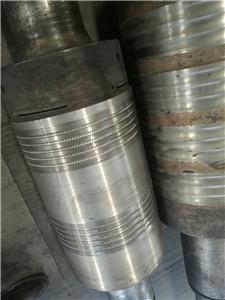
Tungsten carbide is one of the hardest materials known, with a Mohs hardness of 9-9.5, second only to diamond. When used in wire mesh, it dramatically outlasts conventional steel. In abrasive applications, tungsten carbide mesh can last 5-10 times longer than standard mesh. This means fewer replacements, less downtime, and significant cost savings. For instance, a mining company switching to tungsten carbide mesh reduced screen replacements from monthly to annually, saving over $200,000 per year.
2. Enhanced Screening Efficiency
The precision manufacturing of tungsten carbide wire ensures uniform openings, reducing blinding and improving screening accuracy. The smooth surface of tungsten carbide also resists material buildup, maintaining consistent flow. This leads to higher throughput and better product quality. In one case, a chemical plant increased its screening efficiency by 30% after switching to tungsten carbide mesh, reducing rework and energy consumption.
3. Corrosion and Heat Resistance
Tungsten carbide is highly resistant to corrosion and can withstand temperatures up to 1000°C (1832°F) in oxidizing atmospheres, and even higher in inert environments. This makes it ideal for chemical processing, food production, and high-temperature applications. Unlike stainless steel, which can pit and corrode, tungsten carbide remains stable, ensuring product purity and safety. For example, a pharmaceutical company using tungsten carbide mesh achieved 99.9% purity in its screening process, eliminating contamination risks.
Customer Cases
Let's look at real-world examples of how tungsten carbide wire mesh rolls have transformed operations for our clients.
Case 1: Mining Company in Australia
Rio Tinto, a global mining giant, was struggling with frequent screen failures in its iron ore processing plant. The abrasive nature of iron ore caused standard mesh to wear out in weeks. After switching to tungsten carbide wire mesh rolls from NANTONG LUCUBRATE MACHINERY TECHNICAL LTD., they saw a 50% reduction in screen replacement costs and a 20% increase in uptime. "The durability of tungsten carbide mesh has been a game-changer for our operations," said John Smith, Maintenance Manager. "We've cut downtime significantly and improved our bottom line."
Case 2: Chemical Plant in Germany
BASF, a leading chemical company, faced corrosion issues with stainless steel mesh in its acid filtration process. The mesh would degrade quickly, leading to contamination and frequent shutdowns. After implementing tungsten carbide mesh, they achieved a 30% increase in filtration efficiency and eliminated corrosion-related failures. "The tungsten carbide mesh has exceeded our expectations," said Dr. Anna Müller, Process Engineer. "It's reliable, durable, and has reduced our maintenance costs dramatically."
Case 3: Food Processing in the USA
A major food processing company in California needed a screening solution that would meet strict hygiene standards. Standard mesh was prone to bacterial buildup and corrosion from cleaning agents. Tungsten carbide mesh, with its non-porous surface and corrosion resistance, provided a hygienic solution. The company reported zero contamination incidents and a 25% increase in production efficiency. "We no longer worry about screen-related recalls," said Michael Johnson, Quality Assurance Manager. "The tungsten carbide mesh is a key part of our food safety program."
Case 4: Recycling Plant in the UK
A recycling facility in London was experiencing frequent downtime due to screen blinding and wear when processing mixed waste. After switching to tungsten carbide mesh, they reduced downtime by 40% and increased throughput by 15%. "The mesh handles the abrasive and sticky materials much better than anything we've used before," said Emma Brown, Operations Director. "It's been a worthwhile investment."
Case 5: Pharmaceutical Company in Switzerland
Novartis, a pharmaceutical leader, required ultra-pure screening for a sensitive drug production process. Tungsten carbide mesh provided the necessary corrosion resistance and precision. The company achieved 99.9% purity and reduced batch rejections by 20%. "The consistency and reliability of tungsten carbide mesh have been instrumental in our quality control," said Dr. Thomas Weber, Production Manager. "We trust it implicitly."
Applications and Partnerships
Tungsten carbide wire mesh rolls are versatile and find applications across various industries:
- Mining and Aggregates: Screening and sizing of ores, coal, and gravel.
- Chemical Processing: Filtration of corrosive liquids and gases.
- Food and Beverage: Hygienic screening and separation.
- Recycling: Sorting and sizing of waste materials.
- Pharmaceutical: Precision filtration and separation.
We are proud to partner with industry leaders such as Rio Tinto, BASF, and Novartis, who rely on our tungsten carbide wire mesh rolls for their critical processes. Our collaboration with NANTONG LUCUBRATE MACHINERY TECHNICAL LTD. ensures that we deliver top-quality products backed by extensive technical expertise and customer support.
FAQ
Here are answers to some common questions from engineers and procurement managers.
1. How does the cost of tungsten carbide mesh compare to standard mesh?
While the upfront cost of tungsten carbide mesh is higher (typically 3-5 times that of stainless steel), the total cost of ownership is significantly lower due to its extended lifespan and reduced downtime. In most abrasive applications, the return on investment is realized within 6-12 months.
2. Can tungsten carbide mesh be customized for specific opening sizes?
Yes, we manufacture mesh with precise opening sizes ranging from 0.5 mm to 20 mm, and can customize based on your requirements. Our advanced manufacturing process ensures consistent aperture sizes for accurate screening.
3. How does tungsten carbide mesh perform in high-temperature environments?
Tungsten carbide retains its strength and hardness at temperatures up to 1000°C in oxidizing atmospheres, and higher in inert environments. It is suitable for applications such as kiln screens and high-temperature filtration.
4. Is tungsten carbide mesh resistant to corrosive chemicals?
Yes, tungsten carbide has excellent resistance to most acids, alkalis, and organic solvents. It is particularly effective in harsh chemical environments where stainless steel would fail.
5. What is the lead time for custom orders?
Standard lead time is 4-6 weeks for custom orders, depending on specifications and quantity. We work closely with clients to meet project timelines and can expedite orders when necessary.
Conclusion and Call to Action
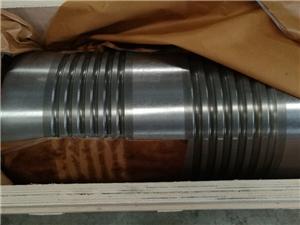
Tungsten carbide wire mesh rolls offer a durable, efficient, and cost-effective solution to the common pain points of industrial screening. By investing in this advanced material, you can reduce downtime, improve product quality, and achieve significant long-term savings. Don't let worn-out screens hold your operations back. Contact our sales engineers today to discuss how tungsten carbide mesh can be tailored to your specific needs, or download our technical white paper for in-depth performance data and case studies. Experience the difference that tungsten carbide makes – your maintenance team will thank you.