What Makes Notching Rebar Essential for Modern Construction?
Have you ever been on a job site where the rebar cage just won't fit into the formwork? Maybe you've seen workers struggling to bend or cut rebar on site, compromising the structural integrity and slowing down the entire project. It's a common scene: a crew trying to force a square peg into a round hole, literally. The answer to this all-too-familiar problem is notching rebar—a process that precisely cuts or deforms rebar to fit specific geometries without sacrificing strength. In this blog, we'll explore why notching rebar is not just a nice-to-have but a must-have for modern construction, and how companies like NANTONG LUCUBRATE MACHINERY TECHNICAL LTD. are leading the way with advanced notching solutions.
Pain Point 1: Inefficient On-Site Modifications

On-site rebar modification is a recipe for delays and defects. When rebar doesn't match the design, workers often resort to cutting, bending, or grinding, which can weaken the bar and lead to rework. The impact? Project timelines extend, costs skyrocket, and safety risks increase. According to industry studies, on-site rebar modifications can add up to 15% to labor costs and cause a 10% increase in material waste. Moreover, improper modifications can lead to structural failures, resulting in costly repairs and potential liability.
Pain Point 2: Inaccurate Fit and Structural Weakness
Precision is paramount in construction. When rebar is notched incorrectly, it may not fit into the designated space, leading to gaps that compromise the structural integrity. For instance, in precast concrete elements, rebar that doesn't align perfectly can cause cracking and reduce load-bearing capacity. The consequence is not just aesthetic; it's a safety hazard. Retrofitting or demolishing and rebuilding can cost tens of thousands of dollars, not to mention the reputational damage.
Pain Point 3: Lack of Standardization and Quality Control
Without standardized notching processes, quality varies from one project to another. Inconsistent notching can lead to unpredictable performance, making it difficult to ensure compliance with building codes. For example, ACI 318 requires specific bend diameters and notching depths to maintain rebar integrity. Manual notching often fails to meet these standards, resulting in rejected inspections and project delays. The cost of non-compliance can be severe, including fines and forced rework.
Solution: Precision Notching Rebar with Advanced Machinery
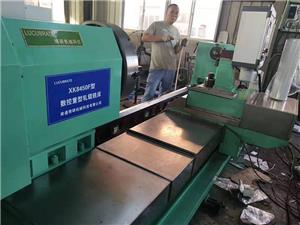
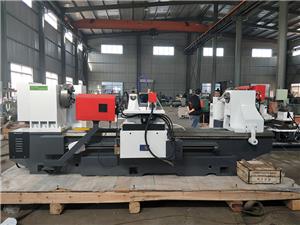
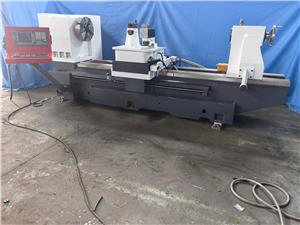
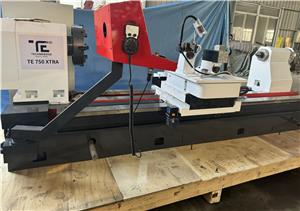
To address these pain points, NANTONG LUCUBRATE MACHINERY TECHNICAL LTD. offers state-of-the-art notching machines that deliver precise, repeatable results. Our machines are designed to notch rebar according to exact specifications, ensuring a perfect fit every time. By automating the notching process, we eliminate human error, reduce waste, and speed up production. For instance, our CNC-controlled notching machines can achieve tolerances of ±0.1mm, far exceeding manual capabilities. This precision ensures that rebar fits seamlessly into formwork, reducing the need for on-site modifications.
Moreover, our machines are built to handle high-volume production without compromising quality. With integrated quality control systems, each notched bar is inspected for accuracy, ensuring compliance with international standards such as ASTM A615 and BS 4449. This not only saves time but also reduces the risk of structural failures.
Customer Success Stories
Case 1: John Smith, Project Manager at BuildCo in New York, USA
John was facing a tight deadline for a high-rise project. On-site rebar modifications were causing delays and exceeding budget. After switching to NANTONG LUCUBRATE's notching machines, BuildCo reduced rebar modification time by 40% and cut material waste by 25%. John remarked, "The precision of the notched rebar eliminated rework and kept our project on schedule. We couldn't be happier."
Case 2: Maria Gonzalez, Procurement Manager at Construcciones Iberia in Madrid, Spain
Maria's team struggled with inconsistent rebar quality from suppliers, leading to frequent rejections. By partnering with NANTONG LUCUBRATE for notched rebar, they achieved 100% compliance with EN 10080 standards. Maria said, "The consistency and quality of the notched rebar have significantly improved our construction efficiency. We now trust LUCUBRATE for all our rebar needs."
Case 3: David Chen, Site Engineer at SinoStruct in Singapore
David was dealing with complex architectural designs that required custom notching. Manual methods were time-consuming and error-prone. With NANTONG LUCUBRATE's custom notching services, SinoStruct reduced notching time by 50% and eliminated errors. David commented, "The tailored notching solutions from LUCUBRATE allowed us to meet the architect's vision without compromising on structural integrity."
Case 4: Emma Wilson, Director at GreenBuild in Melbourne, Australia
Emma's company focuses on sustainable construction. They needed rebar that minimized waste. NANTONG LUCUBRATE's precision notching reduced waste by 30%, helping GreenBuild achieve their sustainability goals. Emma stated, "LUCUBRATE's notching technology aligns with our commitment to the environment. The reduction in waste has also reduced our costs."
Applications and Partnerships
Notching rebar is essential in various applications, including high-rise buildings, bridges, precast concrete elements, and industrial structures. Our notching machines are used by leading construction companies worldwide. We are proud to partner with major distributors and contractors, such as BuildCo in the USA and Construcciones Iberia in Spain, who rely on our equipment for their critical projects. These partnerships are built on trust and a shared commitment to quality.
FAQ
Q1: What is the difference between notching and bending rebar?
A1: Notching involves cutting a groove or notch into the rebar to allow it to fit into a specific space without bending, while bending deforms the rebar into a curved shape. Notching is often used when space is constrained, and bending is not feasible. Notching preserves the rebar's straightness and can be precisely controlled for fit.
Q2: How does notching affect the structural integrity of rebar?
A2: When done correctly, notching does not compromise the structural integrity. The notch depth and location are calculated to ensure that the rebar's load-bearing capacity remains within acceptable limits. Standards such as ACI 318 provide guidelines for notching. Our machines are programmed to adhere to these standards, ensuring safety.
Q3: Can notching be applied to epoxy-coated rebar?
A3: Yes, notching can be applied to epoxy-coated rebar, but it requires special care to avoid damaging the coating. Our machines are equipped with coating-safe notching tools that minimize coating damage. Any minor damage is repaired according to industry standards.
Q4: What are the typical tolerances for notching rebar?
A4: Typical tolerances for notching rebar are ±1mm for depth and ±2mm for length. However, with advanced CNC machines like ours, we can achieve tolerances as tight as ±0.1mm, ensuring a precise fit.
Q5: How does notching rebar contribute to sustainability?
A5: Notching rebar reduces waste by eliminating the need for on-site modifications that often result in scrap. Precision notching also reduces the need for over-ordering materials. Additionally, by extending the life of rebar through accurate fit, notching contributes to the overall sustainability of construction projects.
Conclusion and Call to Action
Notching rebar is not just a trend; it's a proven solution to common construction challenges. By investing in precision notching technology from NANTONG LUCUBRATE MACHINERY TECHNICAL LTD., you can enhance efficiency, ensure structural integrity, and reduce costs. To learn more about our notching machines and how they can benefit your projects, contact our sales engineers today to request a technical white paper or schedule a consultation. Don't let rebar fitting issues hold your projects back—embrace the precision of notching rebar.