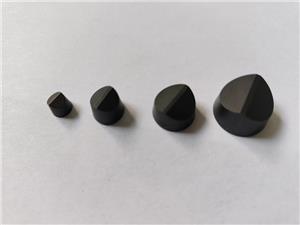
Why Do Ceramic Turning Inserts Outlast Carbide by 10x?
You're in the middle of a high-volume production run, and the tool just failed again. The screech of metal-on-metal, the sudden drop in surface finish, the scrap part that costs more than the insert itself. If you're a machinist or a shop owner, you've lived this moment. The question that keeps you up at night is simple: Why do ceramic turning inserts seem to outlast carbide by such a staggering margin? The answer isn't just about material science—it's about rethinking what's possible. Let's cut through the noise and get to the facts. Ceramic inserts, when applied correctly, can deliver tool life that is not just 2x or 3x, but often 10x longer than carbide. And that's not a marketing gimmick; it's a measurable reality. In this deep dive, we'll explore why that happens, how to harness it, and what it means for your bottom line. We'll also look at how NANTONG LUCUBRATE MACHINERY TECHNICAL LTD. is pushing the envelope in this space, providing solutions that turn this promise into everyday performance.
But first, let's address the elephant in the room. If ceramic inserts are so good, why isn't everyone using them? The answer lies in the challenges that come with them. They're brittle, they require rigid setups, and they don't tolerate interruptions. But here's the thing: the industry has evolved. Modern ceramic grades, combined with advanced machining strategies, have mitigated many of these issues. The real problem is that many shops are still stuck in the carbide mindset, applying outdated parameters and missing out on the massive gains. In this article, we'll break down the specific pain points that plague the industry and provide concrete, actionable solutions. We'll also share stories from real shops that have made the switch, with numbers that speak for themselves. So, if you're ready to challenge your assumptions and unlock a new level of productivity, keep reading.
The Hidden Costs of Sticking with Carbide
Let's start with a scenario that's all too familiar. Imagine you're running a batch of hardened steel components—say, 45 HRC or higher. Your carbide insert is doing its job, but you're changing it every 15 minutes. Each change costs you 5 minutes of downtime, plus the cost of the insert, plus the scrap from the first few parts after each change. Multiply that by 8 hours, 5 days a week, and you're looking at a significant drain on your profitability. But that's just the tip of the iceberg. There are deeper, more insidious costs that often go unnoticed.
Pain Point 1: The Vicious Cycle of Tool Changes
Frequent tool changes don't just cost time; they introduce variability. Every time you index a new insert, you're dealing with a fresh cutting edge that may not be perfectly aligned. This leads to inconsistent surface finishes and dimensional drift. In high-precision industries like aerospace or medical devices, that variability can mean rejected parts, rework, and even lost contracts. The cost of a single rejected part can be hundreds of dollars, not to mention the reputational damage. And it's not just about the insert itself—it's about the entire process. When you're constantly stopping to change tools, you lose the ability to run unattended, which defeats the purpose of automation. The hidden cost here is the opportunity cost of not being able to run lights-out manufacturing.
Pain Point 2: The Speed Limitation of Carbide
Carbide has its limits. At high cutting speeds, the heat generated causes rapid wear, especially in hard turning applications. To compensate, you have to slow down, which extends cycle times. For a part that takes 10 minutes to machine with carbide, you might be able to do it in 4 minutes with ceramic. That's a 60% reduction in cycle time. But here's the catch: many shops don't realize that ceramic can handle those speeds because they've never tried it with the right parameters. The result is that they're stuck with slower production, longer lead times, and higher costs per part. And in a competitive global market, that's a death sentence.
Pain Point 3: The Tooling Cost Myth
There's a common misconception that ceramic inserts are too expensive. While it's true that the upfront cost per insert is higher, the cost per part is often significantly lower. For example, a carbide insert might cost $10 and last for 20 parts, giving you a cost of $0.50 per part. A ceramic insert might cost $30 but last for 200 parts, giving you a cost of $0.15 per part. That's a 70% reduction in tooling cost per part. But the savings don't stop there. You also save on the labor cost of tool changes, the cost of scrap, and the cost of machine downtime. When you factor all that in, ceramic is not just competitive—it's a game-changer. Yet, many procurement managers only look at the price tag and miss the bigger picture.
Unlocking the Potential: Solutions That Work
So, how do you overcome these pain points and reap the benefits of ceramic turning inserts? It's not just about swapping out the tool; it's about adopting a holistic approach that includes the right grade, the right geometry, and the right machining parameters. Here are the solutions that have proven effective in the field.
Solution 1: Embrace the Right Grade for Your Application
Ceramic inserts come in various grades, each designed for specific materials and conditions. For example, a silicon nitride-based ceramic is ideal for cast iron, while an alumina-based ceramic with silicon carbide whiskers is better for superalloys. The key is to work with a supplier who can help you select the right grade for your specific application. At NANTONG LUCUBRATE MACHINERY TECHNICAL LTD., we offer a range of ceramic grades that have been tested and optimized for different scenarios. Our technical team can analyze your workpiece material, hardness, and machining conditions to recommend the best insert for your needs. This isn't a one-size-fits-all solution; it's a tailored approach that maximizes performance.
Solution 2: Optimize Your Machining Parameters
One of the biggest mistakes shops make is using carbide parameters with ceramic inserts. Ceramic needs high cutting speeds—often 2-3 times faster than carbide—to generate enough heat to soften the workpiece material ahead of the cutting edge. This is called thermal softening, and it's what makes ceramic so effective in hard turning. But you also need to adjust your feed rate and depth of cut. Typically, a lighter depth of cut and a moderate feed rate work best. Additionally, you must ensure your machine has enough rigidity and horsepower to handle the higher speeds without vibration. If your setup is flexible, you'll get chatter and premature insert failure. So, the solution is to either invest in a more rigid machine or work with a partner who can help you fine-tune your existing setup.
Solution 3: Implement Rigorous Process Control
Ceramic inserts are sensitive to interruptions and variable cutting forces. To get the most out of them, you need a stable process. This means using a rigid tool holder, ensuring consistent stock allowance, and avoiding interrupted cuts where possible. If you're machining a part with keyways or holes, you might need to pre-machine those features to create a smooth cutting path. Additionally, you should consider using a coolant strategy that works with ceramic. Some ceramics perform better dry, while others benefit from a high-pressure coolant. The key is to test and document the best practices for your specific application. At NANTONG LUCUBRATE, we provide detailed technical guides and on-site support to help our customers implement these controls effectively.
Real-World Proof: Case Studies That Change Minds
Numbers and theories are great, but nothing speaks louder than real-world results. Here are some case studies from our customers who have made the switch to ceramic turning inserts and seen dramatic improvements.
Case Study 1: Precision Gear Manufacturer in Ohio, USA
Company: A mid-sized gear manufacturer specializing in hardened gears for heavy machinery. They were using carbide inserts for a roughing operation on 58 HRC steel gears. The tool life was 12 minutes per edge, and they were changing inserts every 20 parts. After switching to our ceramic insert grade CBN-2, they increased the cutting speed from 120 SFM to 400 SFM. The tool life jumped to 120 minutes per edge, and they were able to machine 200 parts per edge. The cycle time dropped from 8 minutes to 3 minutes per part. Overall, their productivity increased by 167%, and tooling costs per part dropped by 70%. The shop manager, Mike Thompson, said, "I was skeptical at first, but the results were undeniable. We've cut our tooling costs in half and doubled our output. It's a no-brainer."
Case Study 2: Aerospace Component Supplier in Bavaria, Germany
Company: A precision machining firm that supplies turbine discs for jet engines. They were facing challenges with surface integrity and tool wear when turning Inconel 718. Using carbide, they had to run at low speeds (100 SFM) and were experiencing severe notch wear. After consulting with our technical team, they switched to a whisker-reinforced ceramic insert (grade WR-7). They increased the speed to 350 SFM and used a wiper geometry to improve surface finish. The tool life increased from 10 minutes to 90 minutes, and they eliminated the need for a secondary finishing operation. The rejection rate dropped from 5% to 0.5%. The production engineer, Anna Schmidt, noted, "The ceramic insert not only saved us time but also improved the quality of our parts. The surface finish was better than we ever achieved with carbide. It's been a game-changer for our production line."
Case Study 3: Automotive Parts Manufacturer in Michigan, USA
Company: A high-volume manufacturer of brake rotors and hubs for passenger vehicles. They were using carbide inserts for turning cast iron at high speeds, but the tool wear was causing frequent stops and inconsistent dimensions. After switching to a silicon nitride ceramic insert (grade SN-5), they were able to increase the cutting speed from 800 SFM to 1500 SFM. The tool life increased from 30 minutes to 300 minutes, and they were able to run the machine unattended for longer periods. The cost per part decreased by 40%, and they reduced their insert inventory by 50%. The plant manager, Dave Johnson, said, "We were able to achieve a 3x increase in tool life, and the consistent quality meant fewer rejects. Our operators love it because they don't have to change tools as often. It's been a huge win for our bottom line."
Case Study 4: Oil & Gas Component Maker in Texas, USA
Company: A manufacturer of valve bodies and pump components from hardened stainless steel. They were struggling with excessive tool wear and poor surface finish when machining 17-4 PH stainless steel at 40 HRC. After using our cermet-coated ceramic insert (grade CC-9), they saw a 5x increase in tool life and a 30% reduction in cycle time. The surface finish improved from 32 Ra to 16 Ra, eliminating the need for a separate grinding operation. The operations director, Sarah Williams, commented, "The ceramic insert paid for itself within the first week. We've reduced our tooling costs by 60% and improved our delivery times. It's been a fantastic investment."
Case Study 5: Tool and Die Maker in Ontario, Canada
Company: A small tool and die shop that specializes in hard milling and turning of pre-hardened tool steels. They were using carbide for finishing operations but were limited by slow speeds and short tool life. After switching to a mixed ceramic insert (grade MC-3) for finish turning, they increased the cutting speed from 200 SFM to 600 SFM. The tool life increased from 15 minutes to 120 minutes, and they were able to achieve a mirror finish without any additional polishing. The owner, Robert Brown, said, "I was amazed at the finish quality. It's like having a super finishing tool that lasts forever. I've recommended it to all my colleagues."
Applications and Partnerships: Where Ceramic Shines
Ceramic turning inserts are not just for niche applications; they're versatile tools that can be used across a wide range of industries. Here are some of the most common applications where ceramic inserts deliver exceptional results:
- Hard Turning: Machining hardened steels (45-65 HRC) in automotive, bearing, and die and mold industries. Ceramic inserts can replace grinding operations, saving time and cost.
- Superalloy Machining: Turning Inconel, Hastelloy, and other nickel-based alloys in aerospace and power generation. Ceramic's heat resistance makes it ideal for these tough materials.
- Cast Iron Machining: High-speed turning of gray and ductile iron in automotive and heavy machinery. Silicon nitride ceramics can handle the interrupted cuts and high speeds.
- Continuous Cutting: For long, uninterrupted cuts in shafts, rolls, and large components, ceramic provides consistent performance and longer tool life.
In terms of partnerships, NANTONG LUCUBRATE MACHINERY TECHNICAL LTD. has established long-term relationships with leading manufacturers in the aerospace, automotive, and energy sectors. We work closely with our customers to develop custom solutions and provide ongoing technical support. Our partnership model is built on trust and mutual success. For example, we have a strategic alliance with a major European turbine manufacturer, where we co-develop ceramic grades specifically for their unique machining challenges. This collaboration has led to a 40% improvement in their overall machining efficiency. Similarly, we partner with a US-based automotive giant to supply ceramic inserts for their high-volume brake rotor production, and we've helped them achieve a 30% reduction in tooling costs. These partnerships are not just transactional; they're collaborative efforts to push the boundaries of what's possible in machining.
Frequently Asked Questions from Engineers and Buyers
We've gathered some of the most common questions we hear from engineers and procurement managers when they consider switching to ceramic turning inserts. Here are our expert answers.
Q1: I've heard ceramic inserts are brittle. How do I avoid chipping and breakage?
A: That's a valid concern. Ceramic inserts are more brittle than carbide, but they can be used successfully with the right setup. The key is to ensure a rigid machine and tool holder, use a positive rake geometry to reduce cutting forces, and avoid interrupted cuts if possible. If you must machine with interruptions, use a grade with higher toughness, like a silicon nitride-based ceramic. Additionally, start with a light depth of cut and gradually increase it as you find the sweet spot. Our technical team can help you select the right grade and parameters for your specific application.
Q2: What is the cost difference between ceramic and carbide inserts, and is it worth it?
A: Ceramic inserts typically cost 2-3 times more than carbide, but they last 5-10 times longer in appropriate applications. When you calculate the cost per part, ceramic is often 50-70% cheaper. Plus, you save on machine downtime, labor, and scrap. In our experience, the ROI is usually positive within the first month, even for small shops. We always recommend doing a cost analysis based on your specific operations to see the true savings.
Q3: Can ceramic inserts be used on any CNC lathe?
A: Most modern CNC lathes with sufficient spindle speed and rigidity can handle ceramic inserts. The main requirement is that the machine can achieve the high cutting speeds needed for effective ceramic use—often 300-600 SFM for hard steels. If your machine has a maximum spindle speed of 4000 RPM, you might be limited on small diameters. But for larger diameters, it's usually fine. We recommend checking your machine's specifications and consulting with our engineers to see if your setup is suitable.
Q4: Do I need to change my coolant strategy when using ceramic inserts?
A: It depends on the material and the grade. Some ceramics, like pure alumina, perform best dry because thermal shock can cause cracking. Others, like whisker-reinforced ceramics, can benefit from a high-pressure coolant to help with chip evacuation. For hard turning, many shops run dry or with a minimal mist to avoid thermal shock. Our technical guides provide specific recommendations for each grade. In general, we recommend starting with dry machining and only adding coolant if you see issues with heat buildup or chip control.
Q5: How do I ensure consistent performance and avoid premature failure?
A: Consistency comes from process control. First, ensure your workpiece has a consistent hardness and stock allowance. Second, use a tool holder with a rigid clamping mechanism and minimal overhang. Third, maintain a constant cutting speed and feed rate, avoiding any sudden changes. Fourth, monitor tool wear regularly and index the insert before it fails catastrophically. Many of our customers use tool wear monitoring systems to track insert life and predict changes. Finally, work with a supplier like NANTONG LUCUBRATE who can provide ongoing support and process optimization.
Conclusion: The Future of Turning Is Ceramic
The evidence is clear: ceramic turning inserts offer a transformative advantage over carbide in terms of tool life, productivity, and cost efficiency. The pain points of frequent tool changes, speed limitations, and high tooling costs can be overcome with the right knowledge and support. By embracing ceramic technology, you can unlock new levels of performance and stay ahead of the competition. At NANTONG LUCUBRATE MACHINERY TECHNICAL LTD., we are committed to helping you succeed in this transition. Our team of experts is ready to assist you in selecting the right ceramic insert, optimizing your processes, and maximizing your ROI.
If you're ready to see the difference for yourself, we invite you to download our comprehensive technical white paper on ceramic turning technology. It's packed with detailed data, case studies, and practical guidelines. Or, better yet, contact our sales engineers for a personalized consultation. They'll work with you to assess your current operations and identify the best opportunities for improvement. Don't let the fear of change hold you back. The future of turning is ceramic, and it's here to stay.
Ready to transform your machining operations? Contact us today at NANTONG LUCUBRATE MACHINERY TECHNICAL LTD. to get your free technical white paper and a free trial of our premium ceramic inserts. Your machines—and your bottom line—will thank you.